
If your dentist has recommended a dental crown, you might be asking yourself, “Does getting a dental crown hurt?” It’s one of the most common questions we hear at our dental office. But it’s a completely fair one. Nobody wants to sit down in the dental chair not knowing what’s coming.
For most patients, a dental crown procedure is far more comfortable than they anticipated. Modern dentistry has come a long way, and with the right care team on your side, getting a crown doesn’t have to be a painful or anxiety-filled experience.
In this guide, we’ll walk you through exactly what happens during a dental crown procedure, what you’ll feel (and when), and how our Fitchburg dental team keeps you comfortable every step of the way.
What Is a Dental Crown, and Why Might You Need One?
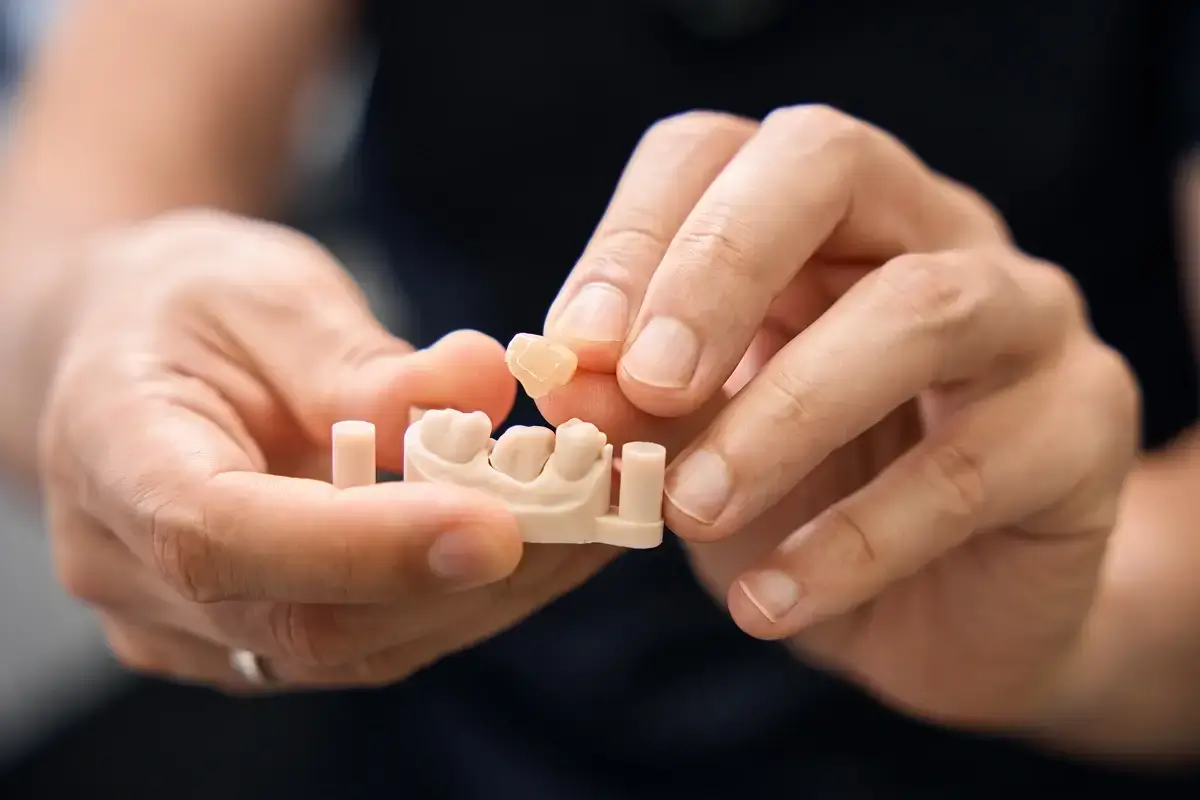
A dental crown is a tooth-shaped cap that fits over a damaged, weakened, or decayed tooth to restore its shape, strength, and appearance. Think of it as a snug helmet for your tooth.
Common reasons your dentist may recommend a crown include:
- A tooth that has a large cavity too big for a filling
- A cracked or fractured tooth
- A tooth that has had a root canal
- A severely worn-down tooth
- Covering a dental implant
- Anchoring a dental bridge in place
Crowns are crafted from materials like porcelain, ceramic, metal alloy, or a combination of these all designed to look and function just like a natural tooth.
Does Getting a Dental Crown Hurt?
Let’s get straight to the question you really came here for.
During the crown procedure itself, you should not feel pain. Before your dentist begins any work on your tooth most patients feel a brief pinch when the numbing injection is given, and that’s typically the most uncomfortable part of the entire visit.
If at any point during the procedure you do feel discomfort, simply let your dentist know. We can always apply more anesthetic.
At SmileCare Dental in Fitchburg, our team is experienced in making sure patients are completely comfortable before we begin. Your comfort isn’t just a courtesy, it’s our priority.
Step-by-Step: What Happens During a Dental Crown Procedure?
Understanding each step of the process can help ease any pre-appointment nerves. Here’s a typical breakdown of what to expect:
Step 1: Examination and X-Rays
Before placing a crown, your dentist will thoroughly examine the tooth and take X-rays. This helps us determine the extent of the damage and confirm that a crown is the right solution for your situation.
Step 2: Reshaping the Tooth
Your dentist removes a small layer of enamel from the outer surface of the tooth. This creates room for the crown to fit snugly over the tooth without feeling bulky. If the tooth is severely damaged, some filling material may be built up first to give the crown a stable base.
Step 3: Taking an Impression
An impression (or digital scan) of your tooth is taken and sent to a dental lab, where your custom crown is fabricated. This typically takes one to two weeks. In the meantime, a temporary crown is placed over your tooth to protect it.
Step 4: Fitting the Permanent Crown
Once your permanent crown arrives, you’ll come back for a second appointment. The temporary crown is removed, and your new crown is checked for fit, color, and bite. Once everything looks and feels right, it’s permanently cemented in place.
What About After the Procedure? Is There Any Pain?
Once the anesthetic wears off it’s normal to experience some mild soreness or sensitivity. This is your body’s natural response to having work done on the tooth. For most patients, any post-procedure discomfort is mild and short-lived.
You may notice:
- Sensitivity to hot or cold foods and beverages
- Tenderness around the gum line near the crowned tooth
- A slightly “off” bite feeling as you adjust to the new crown
These symptoms usually resolve within a few days. Over-the-counter pain relievers like ibuprofen or acetaminophen can help manage any discomfort during this time. If pain persists beyond a week or gets worse, contact our Fitchburg dental office right away, we’ll make sure everything is healing as it should.
Tips for a Smooth Recovery After Getting a Dental Crown
A little extra care in the days following your crown placement goes a long way. Here’s what we recommend:
- Avoid hard or sticky foods for the first 24–48 hours, especially if you have a temporary crown.
- Be gentle when brushing and flossing around the crowned tooth, particularly along the gum line.
- Take over-the-counter pain relief as needed to manage any mild soreness.
- Avoid chewing on the crowned side until the permanent crown is fully set.
Dental Anxiety? Here’s How We Help
Dental anxiety is real and incredibly common. If the idea of getting a dental crown makes you nervous, you’re not alone and we want you to know that our Fitchburg dental team takes that seriously.
At SmileCare Dental, we take a gentle, patient-first approach to every appointment. We’ll always walk you through what we’re doing before we do it, answer any questions you have, and move at a pace you’re comfortable with. If you have significant dental anxiety, speak with us before your appointment — we’ll work together to find ways to make your experience as calm and stress-free as possible.
How Long Does a Dental Crown Last?
With proper care, a dental crown can last anywhere from 10 to 15 years and often much longer. The longevity of your crown depends on the material used, your oral hygiene habits, and whether you engage in habits like teeth grinding or chewing on ice.
Brushing twice a day, flossing daily, and scheduling regular dental checkups at our Fitchburg office are the best ways to protect your investment and keep your crown in great shape for years to come.
Frequently Asked Questions About Dental Crowns
How long does a dental crown procedure take?
A typical crown procedure requires two appointments. The first visit (for tooth preparation and impressions) usually takes 60 to 90 minutes. The second visit (for fitting the permanent crown) is generally shorter, around 30 to 45 minutes.
Is it normal for a crowned tooth to feel sensitive?
Mild sensitivity after crown placement is completely normal and usually fades within a few days to a week. Sensitivity to temperature is especially common in the first few days. Persistent or worsening pain is not normal and should be evaluated by your dentist.
Can I eat normally after getting a crown?
With a temporary crown, you should avoid hard, sticky, or chewy foods and be careful about biting on that side. Once your permanent crown is cemented, you can generally eat normally, though it’s wise to avoid very hard foods (like chewing ice or hard candy) to protect your crown long-term.
Do I need a dental crown after a root canal?
In most cases, yes. A tooth that has had a root canal becomes more brittle and susceptible to cracking. A crown protects the treated tooth and restores its full function and appearance.
Ready to Restore Your Smile? Contact SmileCare Dental in Fitchburg, MA
If you’ve been putting off a crown because you were worried about pain, we hope this guide has put your mind at ease. At SmileCare Dental in Fitchburg, we combine clinical expertise with genuine care for our patients because we know that a calm, comfortable experience is just as important as a great outcome.
Whether you’ve already been told you need a crown or you’re just looking for a dentist you can trust, we’d love to welcome you to our practice.