If you’ve had a tooth extraction a long time ago and are now thinking of getting a dental implant, you’re not the only one. Many people want to know whether they can get an implant years after losing their tooth. Fortunately, in most instances, dental implants are still a viable option for you, even if it has been years since your tooth was extracted.
In this blog, we’ll explain the process and help you understand the factors to consider when determining whether dental implants would be a good fit for you.
How Long Has It Been Since You Had Your Tooth Extracted?
The first factor to research is how long ago your tooth extraction was. When you lose a tooth, the bone that supported it will shrink as your body heals. Your body naturally adapts to your missing tooth by resorption of the bone that is no longer needed to support a tooth.
If a significant amount of time has passed since your extraction, your jawbone may no longer adequately support an implant. Even if it’s been years, dental implants in Fitchburg can still be done with a few additional steps.
Can You Still Get Dental Implants?
Yes, in most cases, you can still have dental implants placed. With a few required procedures, you should be able to complete the dental implant process. Below is an explanation of how the dental implant procedure will generally take place:
- Bone Grafting: The dentist in Fitchburg might recommend bone grafting when the jawbone has been severely resorbed, leaving insufficient volume for the implant. The goal of this operation is to reconstruct the lost bone and provide a firm base for the implant. After the bone has been grafted, there is a several-month waiting period before the implant can be placed.
- Sinus Lift: In some cases, especially in the upper jaw, there might not be enough bone for a dental implant. In such a case, the only option may be a sinus lift, which adds bone in the area and makes it firm enough to hold the implant.
The Dental Implants After A Long Time
Adding bone grafting or a sinus lift can extend the time you have to wait for your implants, but many people say the wait is worth it. Once your bone is ready enough for an implant, the process is fairly simple:
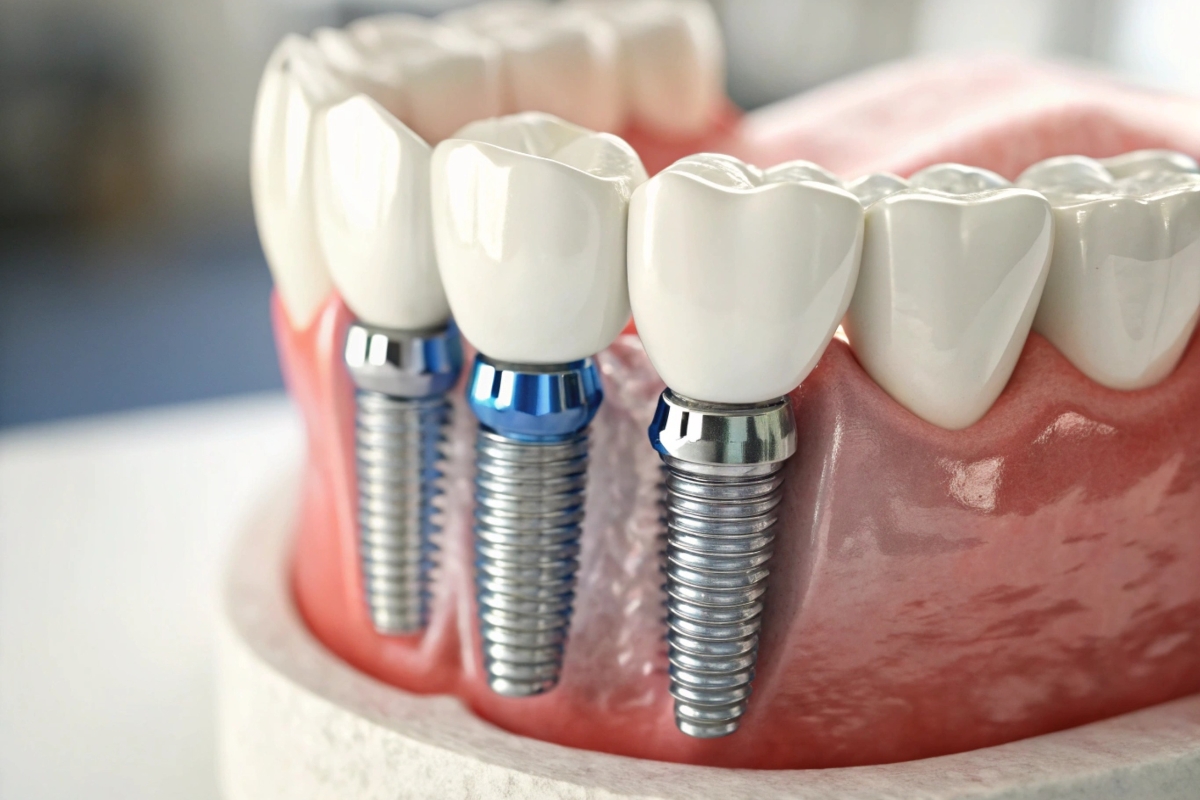
- Implant Placement: Your dentist will place the dental implant (small titanium post) in your jawbone. This post will fuse to your jawbone and will serve as a strong support for your new replacement tooth.
- Healing: After the implant is installed, it typically takes a few months for the bone to fuse with the implant fully. This is called osseointegration and keeps your implant secure.
- Crown Placement: Once the dental implant has adequately healed, your dentist will place your custom-made crown on the dental implant to restore your natural-looking smile.
Even if it has been many years since your tooth was removed, you may still be able to have a dental implant if you prepare correctly.
What is the Average Life Span of Dental Implants?
When maintained properly, dental implants in Fitchburg should last for many years. Dental implants provide a permanent solution for replacing lost teeth, unlike other tooth-replacement options such as dentures. The implant will typically last a lifetime; however, the crown may need to be replaced once every 10-15 years, depending on wear and tear.
Things to Keep in Mind
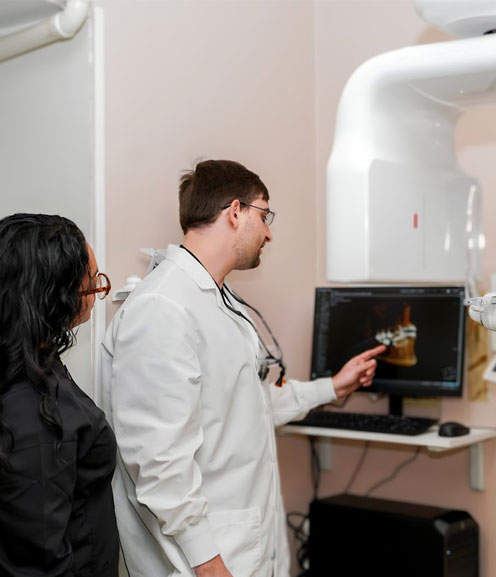
- Bone health: If you have had a tooth extracted many years ago, it is important to determine by means of a CT scan if the bone in your upper and lower jaw is strong enough to support a dental implant. If not, a bone graft may be necessary.
- Gum health: Your gums must be healthy for your dental implant to succeed. If your gums are not healthy, your dentist will work to restore your gum health before placing the implant.
- Lifestyle habits: Smoking and not practicing good oral hygiene can increase the chances of complications with a dental implant. You must maintain a proper oral hygiene routine to give yourself the best chance of a successful outcome.
Regaining Your Smile
Even after a long period of time following a tooth extraction, dental implants in Fitchburg provide a convenient, long-lasting replacement option for tooth loss. It is essential that you work with your dentist to make sure you are prepared for the procedure and that all post-operative instructions are followed.
At SmileCare Dental, we offer customized patient-centered dental care to give you a smile that you will love.
If dental implants may be an option for you, call us today to schedule your consultation.
Frequently Asked Questions
Q: Is it possible to receive dental implants after having a missing tooth or teeth for an extended period?
A: No; with adequate preparation (e.g., bone grafting), you can receive an implant regardless of the time elapsed since your last tooth was removed.
Q: What happens if I do not have enough bone density to support a dental implant?
A: Bone grafting will allow you to restore your bone density in the area where you need an implant, thus allowing you to place the dental implant.
Q: How long will it take to receive my dental implant?
A: It depends on whether you need to undergo any preparatory steps; the entire process can range from 6 to 12 months.
Q: Are dental implants painful?
A: The procedure does not cause pain because you will be given a local anesthetic to numb the area; however, there may be some discomfort after surgery.
Q: Will I be able to eat normally with a dental implant?
A: After the implant has healed, you will be able to eat as you did with your natural teeth.
Q: Will dental implants look like my natural teeth?
A: Yes; dental implants are made to match the color and contours of your natural teeth, so they blend in with your smile.