
The moment you feel a deep, throbbing ache or spot a dark cavity in the mirror, your mind might jump straight to the worst-case scenario: losing the tooth forever. Whether it’s from the rich foods enjoyed at local Fitchburg eateries or the busy lifestyle that leaves little time for oral care, tooth decay is something many of us face. We understand that the prospect of an extraction can be overwhelming. However, the truth is that modern restorative dentistry has made “pulling a tooth” a rare last resort rather than a primary solution.
At SmileCare Dental of Fitchburg, our dentists prefer to preserve your natural teeth, even when the decay is severe. If you’ve ever felt the dread of a decayed tooth and worried about losing it, do not worry; it’s common. With the right treatments, our dental practitioner keeps your smile intact while protecting your oral health. Want to learn how? Read this blog till the end for comprehensive knowledge
Understanding the Development and Progression of Tooth Decay
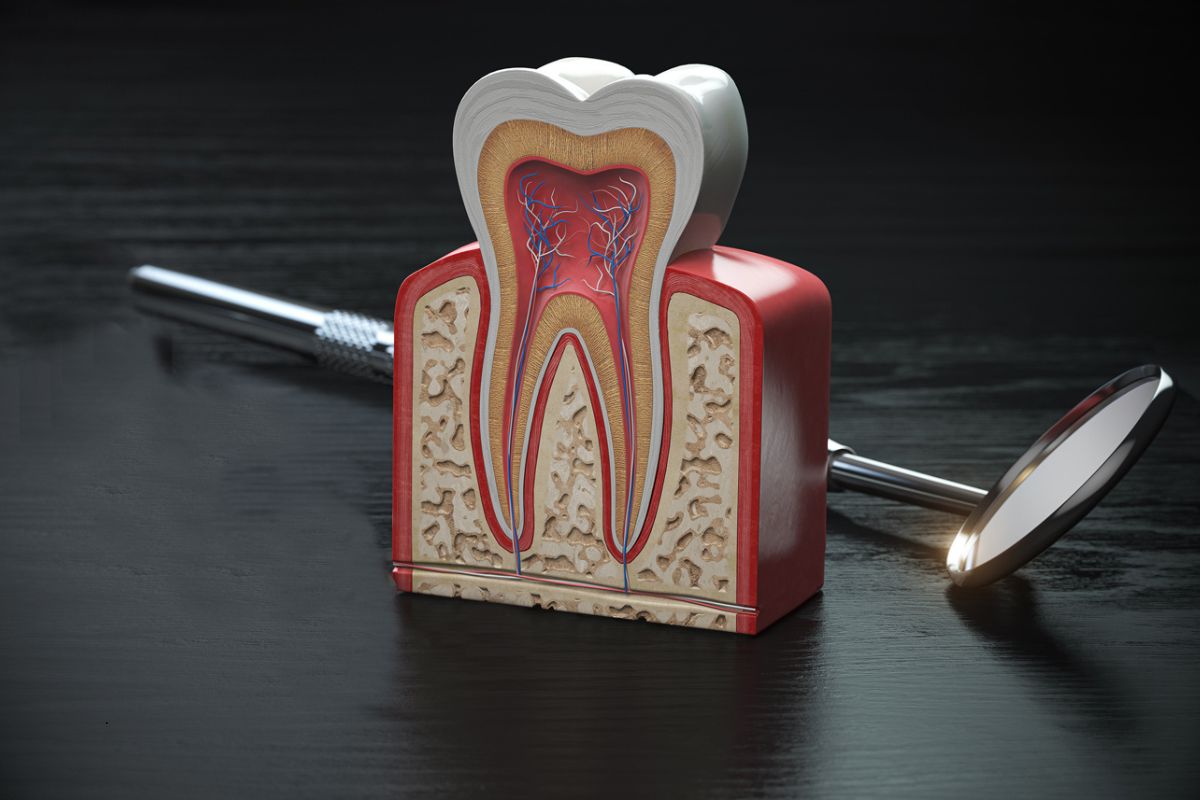
Tooth decay, also known as dental caries, begins when the enamel (the hard outer layer) starts to lose minerals. As bacteria continue to attack the tooth, they can penetrate deeper into the dentin, eventually reaching the pulp, the soft tissue inside the tooth. If the decay is caught early, treatments like fillings or inlays/onlays can often resolve the issue. However, when the decay progresses deeply and infects the pulp, the situation becomes more serious.
If left untreated, a decayed tooth can lead to:
- Pulpitis (inflammation of the nerve)
- Abscess or infection
- Intense pain and swelling
- Structural damage increases the risk of tooth fracture
Whether a tooth is beyond repair depends on factors like how much healthy tooth structure is still intact, how far the infection has spread, and whether the tooth’s roots are still viable.
Key Factors That Influence Whether a Tooth Can Be Saved
Dental practitioners evaluate several critical factors when deciding if a badly decayed tooth can be preserved. Here are the main considerations:
Extent of Decay and Damage
If only a small portion of the tooth’s crown is affected, treatments like fillings or crowns might be sufficient. However, if the decay extends beneath the gum line or involves a root fracture, it becomes much harder to save the tooth.
Condition of the Pulp and Root Canals
When decay reaches the pulp, a root canal procedure may be necessary to save the tooth. But for this to work, there must be enough healthy root structure left, and no severe infection should be present.
Bone Support and Gum Health
Even if a root canal is successful, the tooth still needs to be supported by healthy bone and gums. If there’s significant bone loss or gum disease, the chances of saving the tooth are significantly reduced.
Remaining Tooth Structure and Restorability
After removing the decayed tissue, there must be enough healthy tooth left to support a restoration like a crown. If the remaining structure is too compromised, extraction might be a more practical solution in the long run.
Overall Health and Financial Considerations
A patient’s general health (such as conditions like diabetes) and financial situation can also play a role in deciding whether saving the tooth is the most feasible option.
Why Saving Your Natural Teeth Is Important?
While it’s easy to think that severe decay means an inevitable tooth extraction, the truth is that there are several procedures that can save your tooth, even in its most damaged state. Some of them are as follows:
Fillings: A Simple Solution for Minor Decay
The first line of defense against cavities is often a dental filling. When decay is caught early, the affected portion of the tooth is removed, and the space is filled with a durable material. Fillings are perfect for small to moderate cavities, preventing the decay from spreading and saving the tooth from further damage.
It’s quick, effective, and helps preserve the tooth’s natural function. Whether it’s from indulging in local sweet treats or a long day out in the town, fillings can be a simple yet powerful way to maintain your oral health.
Crowns: Restoring Strength to a Weakened Tooth
When decay has caused significant damage to a tooth, but the tooth’s structure is still intact enough to support a restoration, a dental crown is often the best option. A crown is a cap that covers the entire tooth, providing support, strength, and protection from further damage.
Crowns are an excellent solution for teeth that have been weakened by decay but are still salvageable. The process typically involves removing the decayed portion of the tooth and placing a custom-made crown on top. Crowns are made from durable materials, including porcelain, which can be color-matched to your natural teeth, ensuring that your restoration blends seamlessly with your smile.
For Fitchburg residents, crowns offer a way to keep the tooth functional and strong, even if decay has caused a significant loss of tooth structure.
Root Canals: Saving a Tooth from the Inside Out
When tooth decay reaches the nerve or pulp of the tooth, a root canal is often necessary. This procedure involves removing the infected pulp, cleaning out the infected area, and sealing the tooth to prevent further infection. After a root canal, the tooth is usually restored with a crown to protect it from damage and to help it function normally.
While many people fear the idea of a root canal, it’s a highly effective way to save a tooth that might otherwise need to be extracted. With modern techniques, root canals are relatively painless and can provide long-lasting relief from tooth pain caused by infection. This treatment allows patients to preserve their natural teeth, avoiding the need for dental implants or bridges.
Inlays and Onlays: Conservative Restorations for Moderate Decay
In some cases, when the decay is too extensive for a simple filling but not severe enough to require a full crown, inlays or onlays can provide an excellent solution. These restorations are custom-made to fit into the cavity or cover the top of a decayed tooth, providing the strength and protection the tooth needs while maintaining a more conservative approach than a full crown.
Inlays and onlays are a great option for teeth that have suffered from moderate decay but still have healthy tooth structure. They are often made of durable porcelain or composite material and are bonded to the tooth for a secure fit. This treatment allows patients to save their tooth without the need for a full crown, providing a functional and natural-looking restoration.
Why Saving Your Natural Tooth Is Important?
Now that you know the options available to restore badly decayed teeth, you might wonder, “Why not just extract it and replace it?” The truth is, saving your natural tooth is always the preferred option for several reasons.
Preserving Your Smile and Bite
Natural teeth are designed to work together in harmony. Losing a tooth can affect your bite and lead to other dental issues like shifting teeth and jaw pain. By saving your tooth, you maintain the integrity of your smile and bite.
Preventing Bone Loss
When a tooth is extracted, the jawbone where the tooth once sat can begin to shrink over time. This can lead to bone loss, which may require additional procedures like bone grafting to prepare for implants. Keeping your natural tooth helps preserve the bone structure in your jaw.
Accessible and Less Invasive
Restorative treatments like fillings, crowns, and root canals are often more affordable and less invasive than extraction followed by dental implants or bridges. These treatments can restore the tooth’s function and appearance without the need for complex procedures.
Maintaining Your Natural Function
Your natural teeth are designed for chewing, speaking, and smiling in a way that artificial replacements cannot fully replicate. By saving your tooth, you maintain the function and comfort of your smile.
Preserve Your Natural Teeth with Quality Professional Care
At our dental office, we understand how worrying it can be to deal with decayed teeth, and we want you to know that extraction is not your only option. With our expertise in restorative dentistry, we offer a range of treatments that can save your badly decayed teeth and restore your smile. Whether you need a filling, a crown, or a root canal, we’re here to guide you through your options and help you make the best decision for your dental health.
If you’re concerned about tooth decay or pain in your teeth, don’t wait. Contact us today to schedule your consultation and explore how we can help you keep your natural smile for years to come.
Frequently Asked Questions
How do I know if my tooth can be saved or if it needs to be extracted?
Your dentist will assess the extent of the decay. If it’s severe but the tooth structure remains intact, fillings, crowns, or root canals can often save the tooth.
Can a crown restore a decayed tooth to its original strength?
Yes, crowns are designed to restore strength to a weakened tooth. They fully cover the tooth, providing protection and allowing it to function like a natural tooth.
How painful is a root canal treatment?
Root canal treatments are usually done under local anesthesia, so the procedure is pain-free. Afterward, you may experience mild discomfort, but it can be managed with over-the-counter pain relievers.
How do inlays differ from onlays?
An inlay is placed within the tooth, while an onlay covers the top portion. Both are used for moderate decay when a filling isn’t enough, but a crown isn’t necessary.
How long do crowns and fillings last?
With proper care, fillings can last 5 to 10 years, while crowns typically last 10 to 15 years. Regular checkups can help ensure they stay in good condition.
Can I eat normally after getting a crown or filling?
Yes, once your crown or filling is placed, you can eat normally. However, avoid chewing on hard foods immediately after the procedure to allow it to set properly.
Is root canal treatment covered by dental insurance?
Most dental insurance plans cover root canal treatment, but the extent of coverage may vary. Contact your provider to understand your specific benefits.