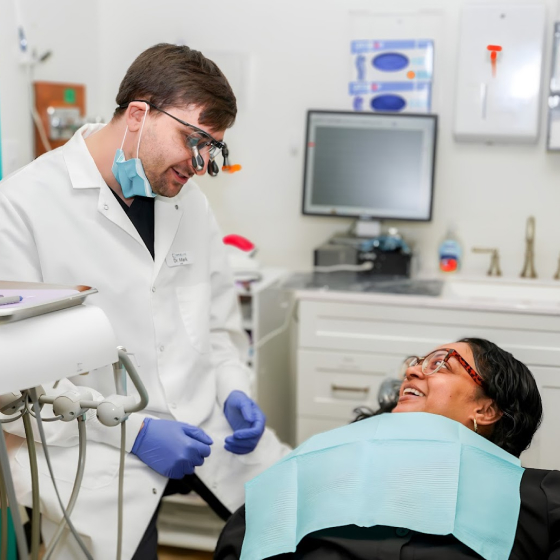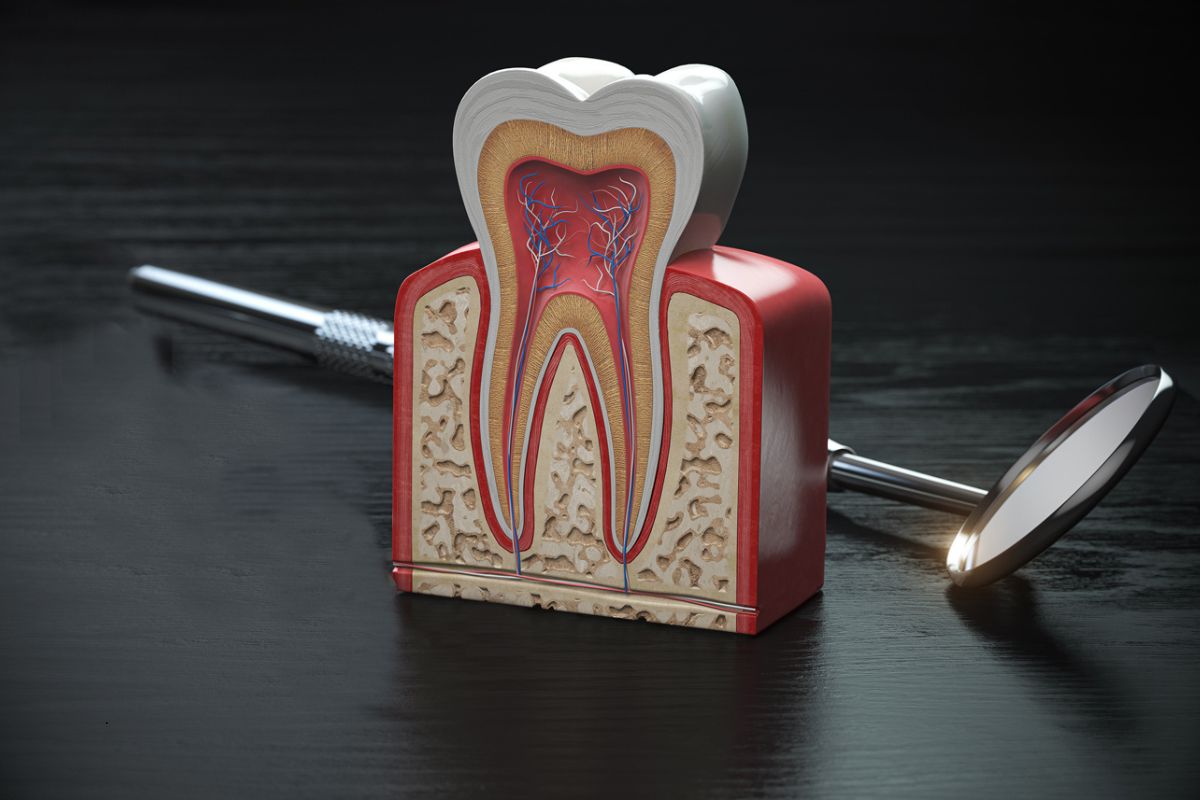

We understand that oral health needs change with age. Seniors face unique dental challenges—from gum disease and dry mouth to tooth loss and oral cancer. With the right care and regular checkups, it’s possible to maintain a healthy, comfortable smile at every stage of life.
Why Oral Health Matters More With Age
Dental health is closely connected to overall wellness. Poor oral hygiene in seniors has been linked to:
- Heart disease and stroke
- Poor diabetes control
- Respiratory infections
- Difficulty chewing and nutrition issues
Routine general dentistry services help reduce complications and support long-term health.
Common Age-Related Dental Concerns
Gum Disease (Periodontal Disease)
Gum disease is one of the most common conditions in older adults. It often progresses quietly and may cause:
- Bleeding or swollen gums
- Gum recession
- Loose teeth
- Persistent bad breath
Regular cleanings and exams allow for early diagnosis and management before tooth loss occurs.
Dry Mouth (Xerostomia)
Many medications and medical conditions reduce saliva flow. Without enough saliva, the risk of cavities and infections increases.
Helpful strategies:
- Sip water frequently
- Use sugar-free gum
- Avoid alcohol-based mouthwashes
- Ask about fluoride rinses or saliva substitutes
Tooth Decay & Root Cavities
As gums recede, root surfaces become exposed and more vulnerable to decay. Fluoride toothpaste and routine professional cleanings significantly lower cavity risk.
Tooth Loss & Replacement Options
Tooth loss is common but not inevitable. Seniors may benefit from:
- Partial or full dentures
- Dental bridges
- Dental implants
Proper fit and regular evaluations are essential. If you’re considering long-term solutions, explore dental implant options for improved stability and comfort.
Oral Cancer Risk
The risk of oral cancer increases with age, particularly for individuals who smoke or consume alcohol regularly.
Watch for:
- Non-healing mouth sores
- Lumps or thick patches
- Difficulty swallowing
Routine exams typically include an oral cancer screening for early detection.
Practical Oral Care Tips for Seniors
Maintain Daily Hygiene
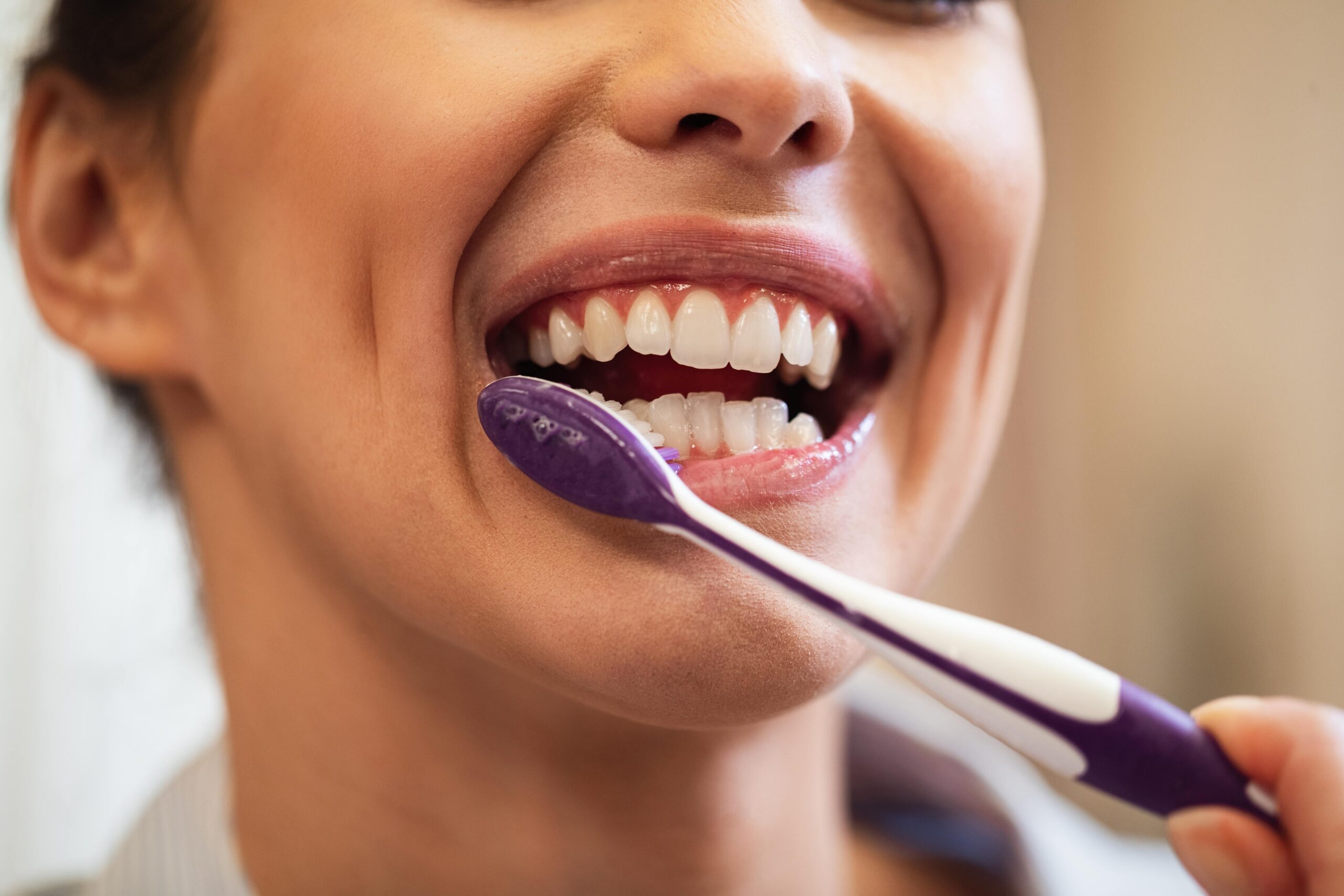
- Brush twice daily with fluoride toothpaste
- Use a soft-bristled or electric toothbrush
- Floss daily or use a water flosser
- Consider adaptive tools if dexterity is limited
Manage Dry Mouth
- Stay hydrated
- Limit caffeine and alcohol
- Use dentist-recommended rinses
Support Oral Health With Nutrition
- Eat calcium-rich foods
- Include fiber-rich fruits and vegetables
- Limit sugary and acidic snacks
- Cut food into smaller pieces if chewing is difficult
Keep Regular Dental Visits
Even seniors with dentures should see the dentist at least twice per year. Exams help monitor gum health, appliance fit, and early signs of concern.
Share Your Medical History
Always inform your dentist about medications, chronic conditions, or recent procedures so care can be tailored safely.
Supporting Senior Smiles in Fitchburg
Healthy aging includes protecting your smile. At SmileCare Dental of Fitchburg, we focus on preventive, restorative, and comfort-centered care tailored to the needs of older adults. Our goal is to help seniors maintain strong teeth, healthy gums, and confident smiles at every stage of life.
If you or a loved one is ready to prioritize senior dental health, the next step is simple.
Final Thoughts
Oral health becomes increasingly important with age. With consistent home care and regular professional visits, seniors can preserve comfort, function, and confidence in their smiles for years to come.