Raising kids often means juggling school runs, packed lunches, screen time limits, and the endless “Did you brush your teeth?” conversation at night. You want your child to develop good habits early, especially when it comes to brushing. Brushing might seem simple, but children need guidance, consistency, and positive experiences to make oral care part of their daily routine. In busy homes around Fitchburg, parents often look for easy ways to make brushing fun instead of a fight.
Whether your child is just learning how to hold a toothbrush or you have a teenager rushing through morning hygiene, you’ll find ideas that work for different ages and personalities. Let’s turn brushing from a chore into something your child actually enjoys.
Start with Routine – Same Time, Every Day
Kids thrive on consistency. When brushing becomes a predictable part of morning and night routines, it feels natural rather than forced. You could link teeth brushing to something they already do:
- After finishing breakfast
- Before bedtime story
- After wearing pajamas
Make Brushing Fun
Fun builds motivation. Instead of repeatedly reminding, make brushing an experience. Try:
- Toothbrushing songs or two-minute playlists
- Colorful brushes with their favorite cartoon characters
- Brush using toothbrushes with light.
- Toothbrushing charts with sticker rewards
Small celebrations work wonders. If your child brushes for seven nights straight, maybe reward them with a Saturday morning trip to Fitchburg Public Library for story hour, or hot chocolate from a local café in downtown Fitchburg.
Brush Together Instead of Supervising
Kids imitate what they see. Brushing side by side shows them that adults do it too and makes it feel like family time. This is especially helpful for toddlers and early elementary-age children. You can turn it into a “mirror race,” brushing all surfaces together until the two-minute timer goes off.
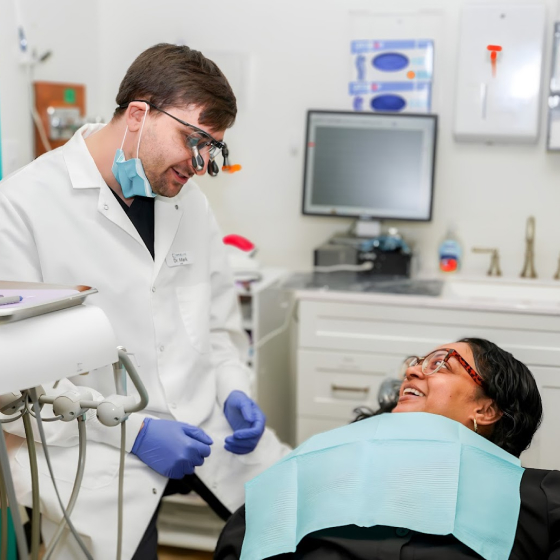
Early habits matter—good brushing protects against cavities and establishes confidence in personal hygiene habits as your child grows. During dental visits, a pediatric dentist in Fitchburg can also demonstrate proper brushing techniques, helping the child feel more comfortable and willing to cooperate at home.
Teach Them the Right Technique
Instead of just saying “brush properly,” show them how to do it.
A simple, easy-to-remember pattern for kids:
- Start with the outer tooth surfaces
- Move to inner surfaces.
- Finish with the chewing surface.
- Gently brush gums and tongue.
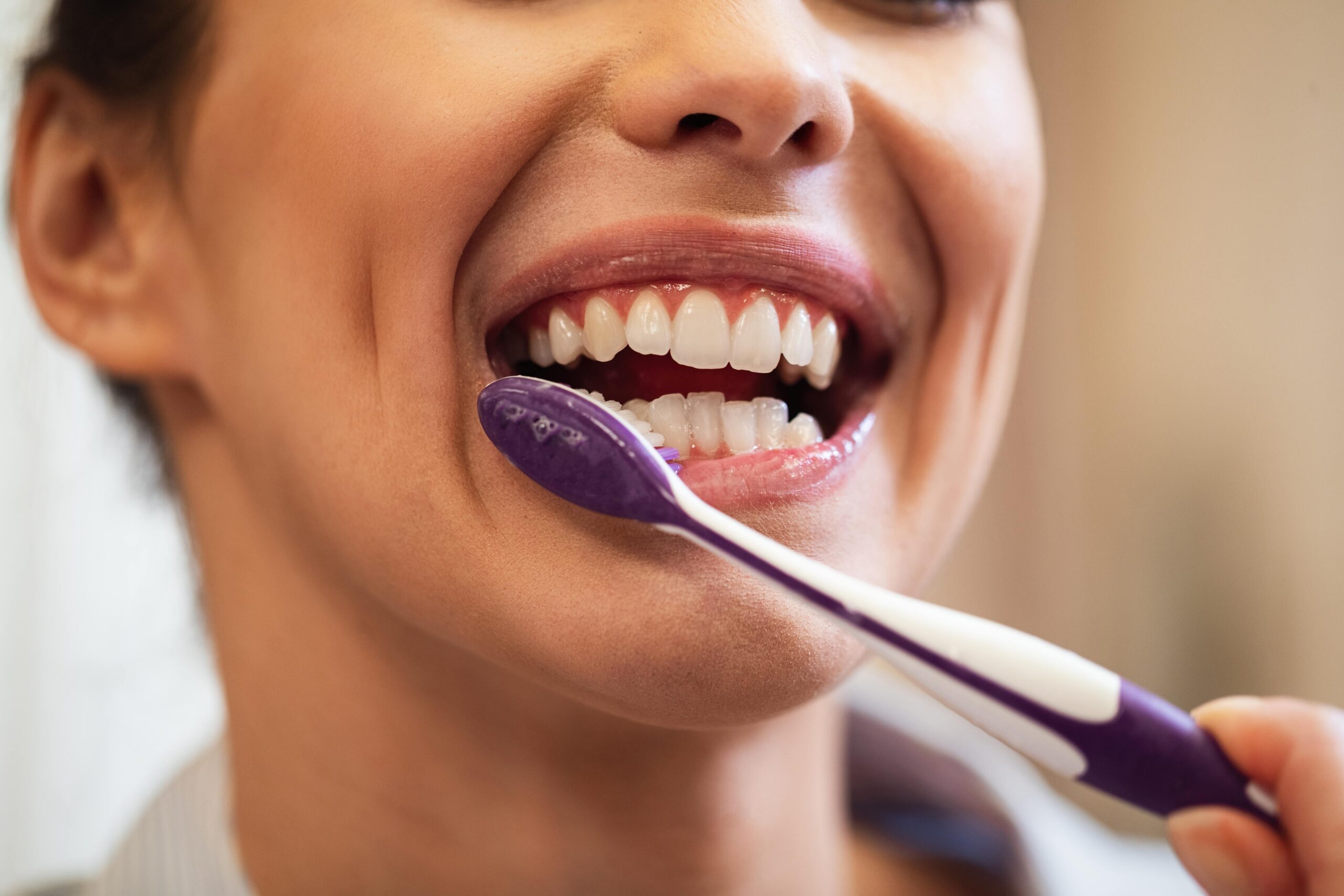
Use fluoride toothpaste (pea-sized amount after age 3). Encourage circles instead of scrubbing back and forth too hard. Kids often benefit from seeing a quick demo—try brushing a stuffed toy’s “teeth” for fun practice.
Let Kids Choose Their Tools
Ownership builds interest. Give them choices within healthy boundaries. For example:
- “Which toothbrush do you want today – the blue dinosaur or the pink unicorn?”
- “Strawberry toothpaste or bubblegum?”
When kids feel in charge, brushing stops feeling like a command and more like personal responsibility. Choices encourage independence, especially in older children.
Use Visual Reinforcement at Home
Create a brushing calendar for your refrigerator. Each time your child brushes twice a day, they place a sticker. At the end of the week, small rewards keep them motivated. Rewards don’t have to be candy—think:
- Extra playground time
- Choosing the family weekend movie
- Baking their favorite cookies together
Healthy routines become joyful memories, not negotiations.
Talk About Why Brushing Matters
Kids listen better when they understand the “why.” Keep it simple:
Instead of
“Brushing your teeth will prevent cavities.”
Try
“Toothpaste fights sugar bugs so your teeth stay strong and shiny.”
Storytelling works. You can share fun stories, such as sugar bugs as villains, a toothbrush as a superhero. Visual books about oral hygiene help, too, especially during the kindergarten years, when kids learn through imagination.
Schedule Regular Dental Visits
Even with great home brushing, professional checkups are essential for maintaining oral health. Dental visits reinforce what parents teach and help catch problems early. A pediatric dentist helps monitor development, clean areas kids miss, and guide parents through brushing challenges like sensitivity, crowded teeth, or unwilling brushers.
Local families often schedule checkups around school breaks or after school. If your child enjoys community events like Fitchburg Art Museum exhibitions or downtown summer concerts, dental visits can be easily scheduled around them.
When Kids Resist Brushing, Try:
- Brushing first and letting them finish
- Reading a dental storybook beforehand
- Offering choices instead of instructions
- Turning brushing into a game
- Brushing their teeth during bath time to associate with comfort
Patience helps in progress. A consistent, calm approach beats rushing or forcing.
Extra Tips for Different Age Groups
Toddlers (1–3 years)
- Brush gently for them
- Use soft-bristle brushes
- Keep sessions short but frequent.
- Make it playful, not pressured.
Ages 4–7
- Practice brushing together
- Supervise technique
- Add sticker charts or brushing apps.
- Let them rinse and spit proudly.
Tweens & Teens
- Address braces care if applicable.
- Explain the long-term benefits, such as fresh breath and increased confidence.
- Schedule visits around school and sports
- Encourage flavored toothpaste for motivation.
Teens often respond better when habits tie into confidence and social life – fresh breath before basketball practice, white smile for school pictures, etc.
Quick Brushing Checklist for Parents
- Two minutes, twice daily
- Fluoride toothpaste
- Replace the brush every 3 months.
- Focus on molars and gumline.
- Limit sugary snacks, especially at night.
Stick this checklist near the bathroom mirror. Simple reminders build lifelong habits.
Build Great Brushing Habits Starting Today
Healthy habits begin at home with encouragement, creativity, and patience. When brushing becomes routine, kids carry that habit into adulthood. And when paired with regular dental visits, your child’s smile stays bright, confident, and cavity-free.
If you’d like support, guidance, or a friendly introduction to dental care for your child, our team is happy to help. Schedule a visit with SmileCare Dental and experience a comfortable, kid-friendly approach to oral health.
FAQs
1. At what age should my child start brushing?
You can start brushing as soon as the first tooth appears. Use a soft infant brush and water at first. At age 2–3, introduce a small amount of toothpaste and help them until they can brush effectively.
2. Should kids brush before or after breakfast?
Brushing is recommended after breakfast to remove food particles. If mornings are rushed, brushing before breakfast is still helpful – aim for two sessions daily regardless.
3. What if my child refuses to brush?
Stay calm and consistent. Offer choices, use rewards, sing songs, or brush together. Resistance is normal, but routine eventually wins. Make brushing positive, not stressful.
4. How long should kids brush?
Two minutes per session is ideal. Timers and songs work well. You can divide the mouth into quadrants and spend 30 seconds per section for better coverage.
5. When should a child first visit the dentist?
By age one or within six months of the first tooth. Early visits reduce fear and build comfort. Regular checkups help guide your child’s oral habits as they grow.
6. How often should kids visit the dentist?
Twice yearly works for most children. Some may need more frequent visits depending on oral health. Professional cleaning and monitoring ensure problems are found early.