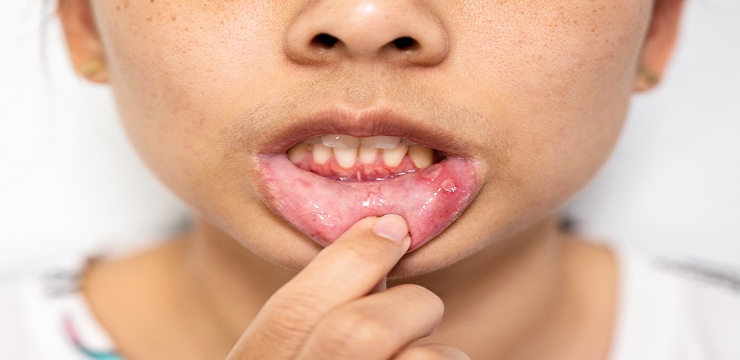
Healthy gums play a major role in your everyday comfort than many people realize. They support your teeth, protect the bone structure underneath, and help maintain fresh breath. Yet gum inflammation is common, especially when daily habits slip or plaque builds up along the gumline. Many people first notice mild bleeding while brushing or a bit of tenderness. It may not seem serious, but early signs still require urgent care.
The encouraging news is that reversed gum disease is possible in its earliest stage. The sooner you seek professional care at SmileCare Dental, the easier it becomes to protect your smile from long-term complications. Routine visits and timely intervention help restore gum health before things progress.
Many patients visit us asking whether gum disease treatment can fully restore their oral health. For early gum irritation, yes, that is often achievable. What matters is recognizing symptoms early and acting quickly.
Why Early Gum Problems Start Quietly
Gingivitis, the earliest form of gum disease, does not usually hurt. That is why the American Dental Association notes that nearly half of adults aged 30 and older across the United States have some form of gum disease, often without realizing it. Bacteria and plaque irritate the gums first. If left unchecked, that irritation can turn into swelling and bleeding.
Daily stress, hormonal changes, dry mouth, smoking, mouth breathing, and even common medications can contribute to inflammation. Families in Fitchburg also experience seasonal allergy flare-ups that increase mouth breathing, which may dry the gums and make them more vulnerable.
Early signs to pay attention to:
• Bleeding during brushing or flossing
• Red or tender gums
• Bad breath that does not go away
• A feeling of sensitivity along the gumline
If you spot these changes, consistent brushing and flossing alone might not solve the issue. You need a dental team for thorough gum disease treatment before it reaches the bone.
Can Reversed Gum Disease Happen With Routine Dental Care?
Yes. When gum inflammation remains confined to the surface tissues, professional cleanings and tailored home care can correct it. SmileCare Dental removes the hardened plaque (tartar) that brushing cannot reach. Dentists smooth the tooth roots so bacteria fail to reattach. Gums begin healing almost immediately.
Lifestyle improvements like drinking more water, swapping sugary snacks for fresh vegetables, quitting smoking, and brushing with fluoride toothpaste strengthen the results. Your breath freshens. Tenderness fades. The gumline looks and feels healthier.
This stage is the turning point. Address it now, and the outcome is often predictable and positive.
What Happens if Treatment Waits?
Unchecked inflammation progresses into periodontitis. At that stage, the gums start to pull away from the teeth, forming pockets that trap bacteria. Bone loss can follow. Reversal becomes more complex.
Advanced gum disease ties to major health concerns, too. Research from the CDC shows links between gum inflammation and chronic diseases such as diabetes and cardiovascular disease. Preventing progression protects your dental and overall health.
That is why residents in nearby communities schedule regular checkups at SmileCare Dental of Fitchburg to track gum health over time.
Treatments That Help Stop Progression
Every smile is different. Your dentist evaluates the gums, measures any pockets, and uses gentle techniques to support healing.
Options may include:
• Deep cleaning (scaling and root planing)
• More frequent cleanings to maintain results
• Antibacterial rinses
• Personalized home hygiene instructions
By removing bacteria sitting below the gumline, the tissues get a fresh chance to heal. Combined with lifestyle changes, gum stability improves over months.
How SmileCare Dental Supports Everyday Gum Health
Friendly guidance is always part of the visit. You are shown simple adjustments that make a big difference:
• Brush twice daily with gentle pressure
• Floss or use interdental brushes to clean between teeth
• Limit tobacco and sugar-laden drinks
• Drink water throughout the day
• Stick to your dental care schedule
Each visit gives us a clear picture of how your gums respond. You never feel rushed or criticized. Patients often say they appreciate a calm, supportive environment where questions are always welcome.
Gum Health in Massachusetts
Cold winters can lead to increased consumption of hot beverages and increased indoor heating. This can sometimes cause dry mouth, which can encourage plaque buildup. Seasonal changes are real influences on oral health in Fitchburg and the surrounding areas.
Our general dentist in Fitchburg team understands these patterns and adjusts prevention plans throughout the year, whether you spend your weekends at the Franklin Town Common or cheering at the local high school games, gum comfort matters.
Take Control of Your Gum Health Today to Make the Future Easier
Early gum inflammation responds quickly when treated soon after symptoms appear. Reversing gum disease before bone damage is absolutely possible with timely care. You do not need to wait for pain to see us. Healthy gums feel comfortable, look stronger, and support a lifetime of confident smiling.
If something doesn’t feel right, trust that you deserve answers. SmileCare Dental is here to help you make practical choices that keep your smile thriving.
Bleeding gums are not normal, and preventing serious complications takes far less effort than treating them later. SmileCare Dental offers reliable gum disease treatment for patients throughout the Fitchburg area, helping restore gum comfort and protect your long-term oral health.
FAQs
How often should I schedule gum checkups?
Most adults benefit from two checkups per year, though some may need more frequent appointments if there are signs of inflammation or bone changes.
Does gum treatment hurt?
Cleanings may feel sensitive when gums are tender, but techniques are gentle. Discomfort is temporary and usually improves quickly afterward.
Can mouthwash replace flossing for gum health?
No. Mouthwash helps with fresh breath, but does not remove plaque trapped between teeth the way flossing does.
Is gum recession permanent?
Once the gums recede, the tissue does not naturally grow back. Early treatment helps stop further recession.
Can stress affect gum health?
Yes. Stress can increase inflammation and contribute to clenching or grinding, worsening gum irritation.