
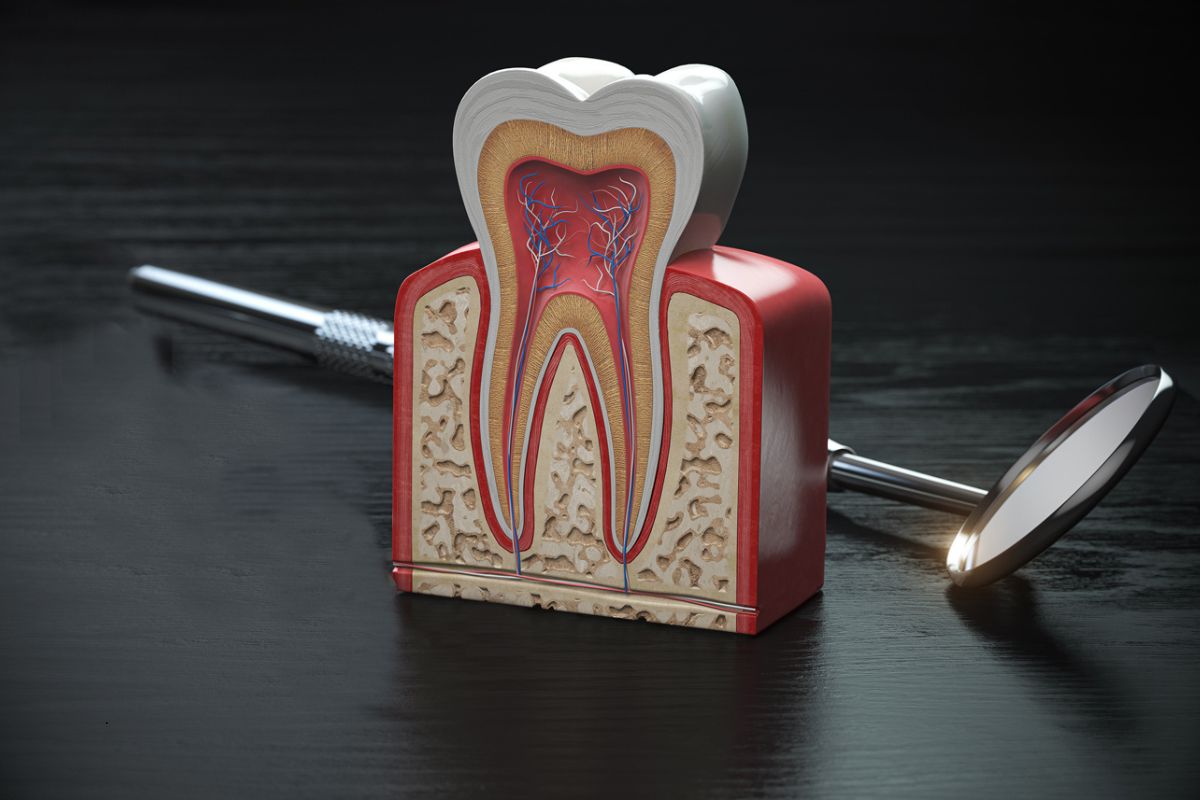
Have you ever been told you need a root canal and wondered what exactly that involves? Whether it’s a visible front tooth or a molar tucked away in the back, an infection can cause intense discomfort.
But here’s the surprising part — the endodontic procedure actually differs depending on which tooth is treated.
In this blog, we’ll explain how the process varies between front and back teeth, why those differences matter, and what you can expect during each type of treatment. By the end, you’ll know exactly what’s happening inside your tooth — and feel more confident about your upcoming root therapy.
What Is Root Canal?
A root canal treatment is a dental procedure used to treat a tooth that is severely infected or damaged. The goal of the procedure is to remove the infected pulp (the soft tissue inside the tooth), clean the tooth’s interior, and seal it to prevent further infection.
Post-surgery, the tooth is usually restored with a crown or filling to ensure it functions normally. When you visit a local dentist for an infected tooth, they will assess the condition of the tooth and determine the best course of action.
The treatment is similar for all teeth, but varies depending on whether the tooth is in the front or back of your mouth.
Root Canal Treatment For Front Teeth
Front teeth, also known as incisors or canines, are generally easier to treat than back teeth. These teeth have a single root and fewer canals, which means the procedure will be quicker and less complex. The pulp inside them is more accessible, making it easier for the professional to remove the infected tissue.
Key Considerations For Front Teeth:
- Location and Size: Incisors have a single root and fewer canals, making the procedure less invasive. The treatment usually takes less time than with wisdom teeth.
- Aesthetics: Since they are visible when you smile, cosmetic considerations are more important. After the nerve treatment, a crown or filling is placed to ensure the tooth looks natural and blends with the rest of your smile.
- Pain and Sensitivity: Cutting teeth is usually less sensitive than wisdom teeth, and patients may experience less pain post-procedure. However, like all oral surgeries, some discomfort is to be expected.
Whether you’re hiking through Coggshall Park or meeting friends at a local festival, a front-tooth root canal can restore your smile and your confidence. So, now you can enjoy every Fitchburg moment to the fullest.
Root Canal Treatment For Back Teeth
Back teeth, or molars, are particularly complex for root therapy. Molars have multiple roots and several canals, which can make the procedure longer and more involved. Infections in them can be more difficult to reach and clean because they are at the back of the mouth.
Key Considerations For Wisdom Teeth:
- Multiple Roots and Canals: Molars have two or more roots, each with multiple canals. Treating these teeth requires a more detailed process to ensure all infected tissue is removed and the canals are thoroughly cleaned.
- Longevity and Functionality: After the procedure, back teeth are more likely to need a crown to restore their full function. Molars are used for chewing, so it’s important to ensure that the tooth is fully restored to withstand daily use.
- Healing Time: Due to the complexity of the surgery, healing takes longer. Patients may experience more discomfort initially compared to the front teeth, but this subsides after a few days.
Also Read: Root Canal Treatment Recovery: What to Expect After Your Procedure?
Front vs. Back Teeth: How The Dental Root Procedure Differs?
While an endodontic surgery itself is similar for both front and wisdom teeth, there are several key differences based on the tooth’s location:
- Complexity: Molars are more complex, with multiple roots and canals. This means the procedure is more involved compared to the process for cutting teeth.
- Treatment Time: The surgery is shorter for incisors. Molars require more time for preparation, cleaning, and sealing because they have multiple canals.
- Cosmetic Considerations: Front teeth require more attention to cosmetic details. It will likely need a crown or veneer to restore its appearance and ensure it blends seamlessly with your natural teeth.
- Functionality: Molars play a vital role in chewing, so restoring them to their original strength is crucial. After the procedure, the molars will likely need a strong restoration like a crown to ensure they remain functional.
What To Expect After Your Endodontic Treatment?
Post your root surgery, it’s common to experience some discomfort or sensitivity, especially in the days following treatment.
However, this should subside within a few days. In fact, your local Fitchburg dentist will provide you with instructions for managing any discomfort before you leave. Most patients can return to their normal activities after a short recovery period.
Locals love spending weekends at Coolidge Park and other outdoor gatherings. So make sure to follow your dentist’s aftercare advice to recover smoothly and enjoy every moment pain-free.
When Is A Pulp Therapy Needed?
A root therapy is needed when the pulp inside the tooth becomes infected due to decay, cracks, or injury. The signs include:
- Severe tooth pain: This may be constant or triggered by chewing.
- Sensitivity to hot or cold: Pain that lingers after eating hot or cold food.
- Swelling or tenderness: In the gums around the affected tooth.
- Discoloration: A darkened tooth may indicate pulp damage.
If you are experiencing any of these symptoms, it’s important to visit our dental office for prompt care. Our experienced dentists can evaluate your condition and determine whether surgery is necessary to save the tooth.
Anxious About Root Canal? Our Gentle Approach Makes It Easy
At SmileCare Dental of Fitchburg, your comfort and confidence are our top priorities. Whether you need an endodontic treatment for a front or back tooth, our gentle approach and advanced techniques ensure you receive the care you deserve — without unnecessary stress or discomfort. We’re here to help you preserve your natural teeth, restore your smile, and get back to enjoying life pain-free.
So, why let your tooth pain hold you back another day? Schedule your next visit with us, and experience dentistry that’s calm, compassionate, and focused on you.
Frequently Asked Questions (FAQs)
1. How long does a root canal take for a front tooth?
An endodontic treatment for a front tooth typically takes 60-90 minutes. These teeth have simpler structures, so the procedure is quicker and less complex than for back teeth.
2. Is a root canal more painful for back teeth?
Pain levels vary, but back teeth procedures tend to take longer, causing more discomfort during recovery. However, anesthesia ensures that the treatment itself is pain-free and that discomfort is temporary.
3. How long does it take to recover after a root canal?
Recovery usually takes a few days, with most patients feeling better within 24-48 hours. Full recovery can take up to a week, depending on the tooth’s location and complexity.
4. Can a root canal fail?
While rare, a pulp extraction procedure can fail due to reinfection or complications during healing. In such cases, retreatment or an alternative procedure may be necessary to save the tooth.
5. Can I eat after my endodontic treatment?
It’s best to wait until the numbness wears off before eating. Stick to soft foods and avoid chewing on the treated tooth until a permanent restoration is placed.