
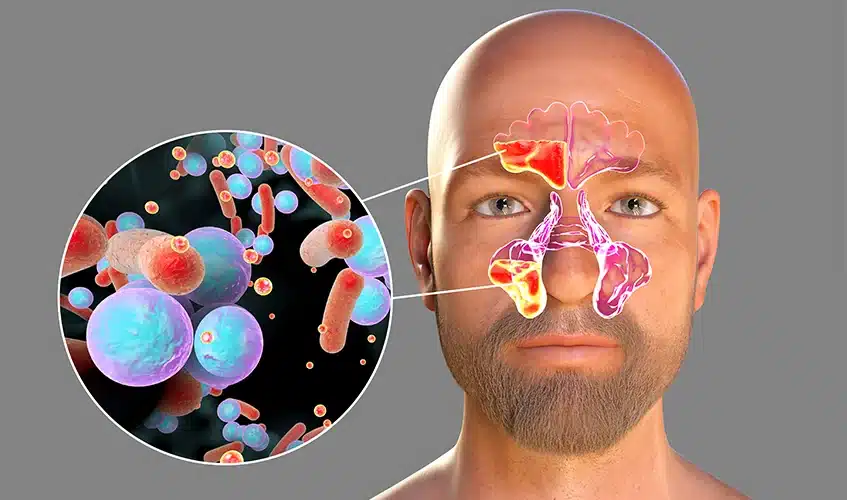
Can a Sinus Infection Feel Like a Toothache?
Facial pain is something everyone experiences, but it can be challenging to pinpoint its cause. Is it a headache, toothache, or sinus congestion? These conditions often share similar symptoms, making it difficult to know if you need immediate medical attention. Dr. Mark Berenshteyn from SmileCare Dental of Fitchburg explains how to distinguish between sinusitis and a more serious condition like a dental abscess.
Both dental abscesses and sinusitis can cause symptoms like facial pain, pressure, headaches, swelling, sensitivity, and fever. This overlap can make it difficult to determine if the pain is dental or sinus-related. However, there are some factors that can help you determine if you are looking at a dental abscess that requires immediate attention.
What Dental Abscess Actually is?
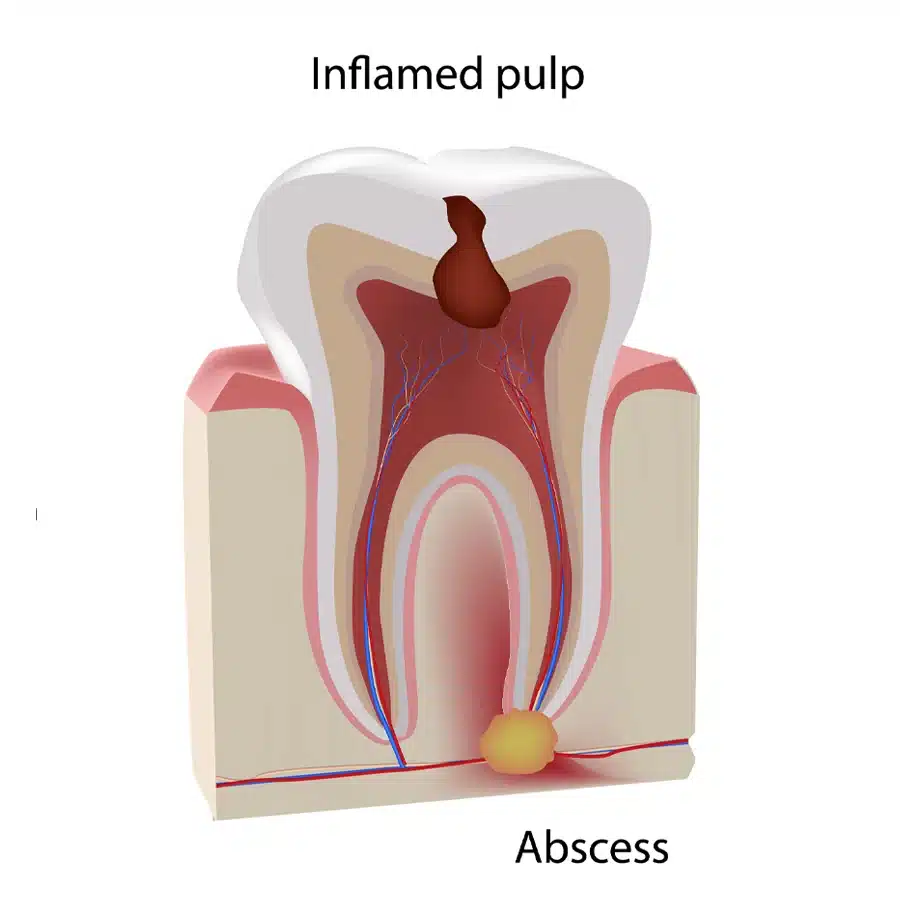
Dental abscesses are infections at the tooth root or surrounding gum tissue. These infections happen when bacteria enter, leading to a pocket of pus. This can cause pain and swelling. An abscess can be caused by an untreated cavity, dental trauma, or gum disease.
Dental Abscess Symptoms
- The pain is typically a throbbing, intense sensation localized to one tooth or part of the mouth.
- The pain will generally worsen when you eat or touch the affected area. Pain can radiate out to the jaw, neck, or ear.
- Severe abscesses can burst, leading to foul-tasting pus in the mouth.
- There may be swelling of the gums or jaw.
- You may experience pain or difficulty in opening the mouth, bad breath, and swollen lymph nodes.
Understanding Sinusitis and Facial Pressure
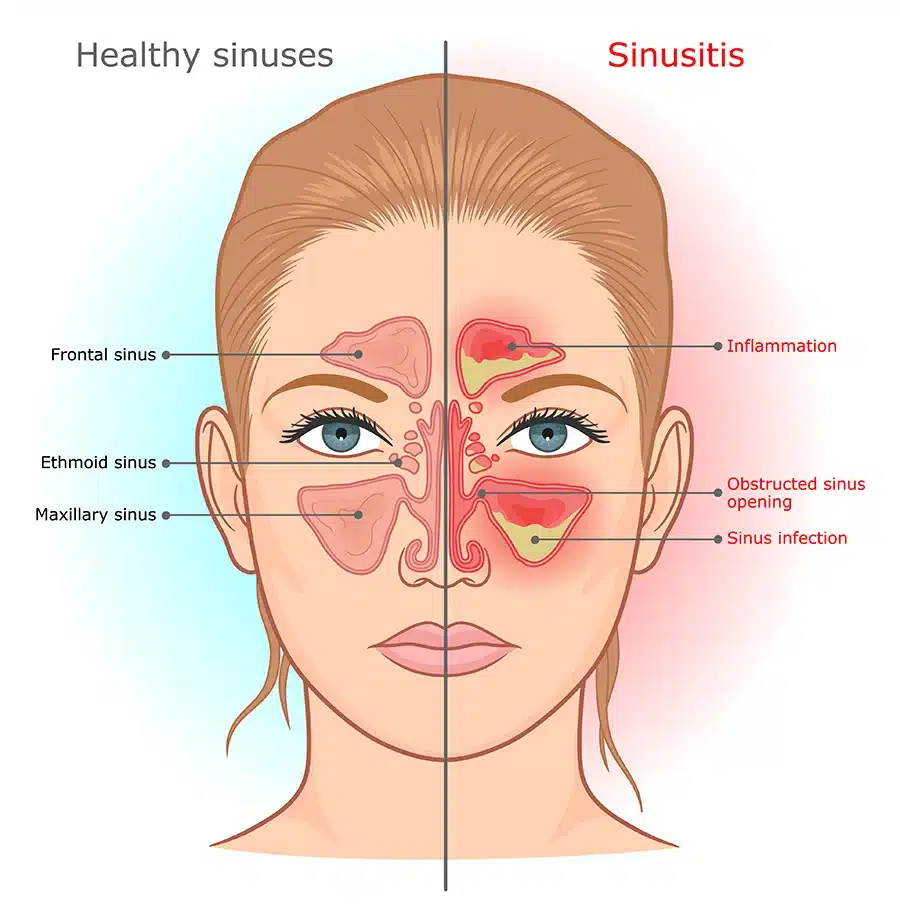
Sinusitis is an inflammation of the sinuses. Your sinuses are the cavities behind your nose, eyes, and cheeks. When this inflammation happens, it can cause pain in the face, typically near your eyes but it can also be felt near the back teeth in the upper jaw.
Sinusitis Symptoms
- The pain is often felt as pressure in the forehead, around the eyes or in the upper part of your cheeks. You may experience some tenderness in your nasal passages, as well.
- Pressure can increase when you lie down, and pain worsens if you move your head.
- Postnasal drip can occur, leading to a sore throat or cough.
- You may experience nasal congestion, ear pressure, and loss of your sense of smell.
Can a Sinus Infection Feel Like a Toothache?
Yes. In fact, many patients are surprised to learn that sinus infections can cause pain that feels very similar to a dental problem. The roots of the upper back teeth sit close to the maxillary sinuses, which are located behind the cheeks. When these sinuses become inflamed or filled with pressure, the discomfort can radiate to multiple upper teeth at the same time.
A key difference is that sinus-related tooth pain usually affects several upper teeth rather than a single tooth. The discomfort may also worsen when bending over, lying down, or making sudden head movements. If your tooth pain is accompanied by nasal congestion, facial pressure, or a recent cold, sinusitis may be the underlying cause.
When Facial Pain Is a Dental Emergency
While sinus infections often improve with appropriate medical care and rest, a dental abscess should never be ignored. An untreated tooth infection can spread to nearby tissues, the jawbone, or even other areas of the body.
You should seek immediate dental care if you experience:
- Severe, persistent tooth pain
- Swelling of the gums, face, or jaw
- Fever or chills
- Difficulty swallowing
- Difficulty breathing
- A bad taste in the mouth caused by draining pus
- A pimple-like bump on the gums
Prompt treatment can help preserve your oral health and prevent serious complications.
How Dentists Diagnose the Source of Facial Pain
Determining whether facial pain is caused by sinusitis or a dental abscess often requires a professional evaluation. During your visit, your dentist may:
- Review your symptoms and medical history
- Examine your teeth and gums for signs of infection
- Take digital X-rays to identify hidden decay or abscesses
- Check for swelling, gum tenderness, or drainage
- Assess whether the pain is isolated to a specific tooth or affecting multiple areas
An accurate diagnosis helps ensure you receive the right treatment and relief as quickly as possible.
Tips to Prevent Dental Abscesses
Many dental abscesses develop from untreated cavities or advanced gum disease. To reduce your risk:
- Brush twice daily with fluoride toothpaste
- Floss every day
- Schedule routine dental exams and cleanings
- Address tooth pain promptly instead of waiting for it to worsen
- Wear a mouthguard during sports activities to prevent dental injuries
- Follow treatment recommendations for cavities and gum disease
Preventive dental care is often the best defense against painful infections.
Frequently Asked Questions
How can I tell if my tooth pain is from my sinuses or a dental infection?
Sinus-related tooth pain typically affects multiple upper teeth and is often accompanied by congestion, facial pressure, and nasal symptoms. Dental abscess pain is usually concentrated around one tooth and may include swelling, sensitivity, and a bad taste in the mouth.
Can a dental abscess go away on its own?
No. While the pain may temporarily decrease if the abscess drains, the infection remains and requires professional dental treatment. Without care, the infection can spread and become more serious.
Which teeth are most affected by sinus infections?
The upper molars and premolars are most commonly affected because their roots are located close to the maxillary sinuses.
Should I see a dentist or a doctor for facial pain?
If you are experiencing tooth pain, gum swelling, sensitivity when chewing, or signs of a dental infection, start with your dentist. If symptoms primarily involve congestion, nasal drainage, and sinus pressure, a physician may be appropriate. In some cases, both evaluations may be necessary.
Can a dental abscess cause sinus problems?
Yes. Infections in upper teeth can sometimes spread to nearby sinus cavities, leading to symptoms that resemble sinusitis. This is known as odontogenic sinusitis and often requires dental treatment to fully resolve.
Seeking Professional Care is Crucial
If you experience these symptoms, do not delay. Contact Dr. Mark Berenshteyn at SmileCare Dental of Fitchburg for a comprehensive evaluation and prompt treatment. Dental abscesses can cause serious complications if not addressed quickly. If you notice swelling, a sudden rush of a bad-tasting liquid in your mouth, difficulty swallowing or breathing, a fever, or severe tooth pain, it is important to see your dentist in Fitchburg right away.
While sinusitis may resolve on its own, a dental abscess requires immediate antibiotics to prevent the spread of infection. Since a localized tooth infection won’t be solved without professional intervention, it’s crucial to contact your dental team right away if you recognize these symptoms.