If you are constantly dealing with a dental crown that keeps popping off, a bridge that feels loose when you chew, or a denture that slips out of place at the most embarrassing moments, you are likely asking yourself a very important question: Can I just replace these failing restorations with dental implants once and for all? The short answer is yes. For many people struggling with traditional dental work that has reached the end of its lifespan, implants offer the permanent, stable solution they have been searching for.
Traditional dental restorations have served us well for decades, but they are not immortal. According to data published by the American College of Prosthodontists, roughly 120 million people in the United States are missing at least one tooth, and more than 36 million Americans do not have any natural teeth at all. Many of these individuals rely on traditional bridges and dentures that inevitably wear down, shift, or fail over time.
If you are tired of the endless cycle of repairing old dental work, understanding how implants can upgrade your smile is the first step toward reclaiming your confidence and oral health.
Why Do Dental Restorations Fail?
While dental restorations are designed to last for many years, there are a few reasons they may eventually fail. Understanding these factors can help you make an informed decision about when to consider replacing your existing restorations. Here are some common reasons why dental restorations may not stand the test of time:
Wear and Tear
Just like natural teeth, dental restorations experience wear over time due to regular use. Chewing, grinding, and the natural pressure placed on restorations can gradually cause them to weaken, crack, or lose their fit. Over the years, this can lead to the need for repairs or replacements.
Decay Around the Restoration
Though restorations themselves do not decay, the area around them can still be susceptible to cavities. If the seal around a crown or filling deteriorates, bacteria can enter and cause tooth decay under the restoration. This is why regular dental checkups are essential to monitor the health of the restoration and the surrounding tooth structure.
Gum Recession
Over time, gum tissue may recede, exposing the edges of restorations. This can lead to an increased risk of plaque buildup or even tooth sensitivity. Gum recession is a natural part of the aging process, but it can contribute to the failure of restorations if not properly managed.
Changes in Bite Pressure
As we age, changes in our bite, teeth alignment, or jaw structure can affect the pressure placed on dental restorations. For instance, grinding teeth (bruxism) can place excessive force on crowns and fillings, causing them to break or become loose. It’s important to manage habits like grinding and clenching to prolong the lifespan of restorations.
Material Fatigue
Materials used in dental restorations have a limited lifespan. Over time, the materials used, whether they are metal, ceramic, or composite, can degrade due to factors such as daily stress, temperature fluctuations, and the natural aging process of the materials themselves.
Understanding Dental Implants: The Modern Solution
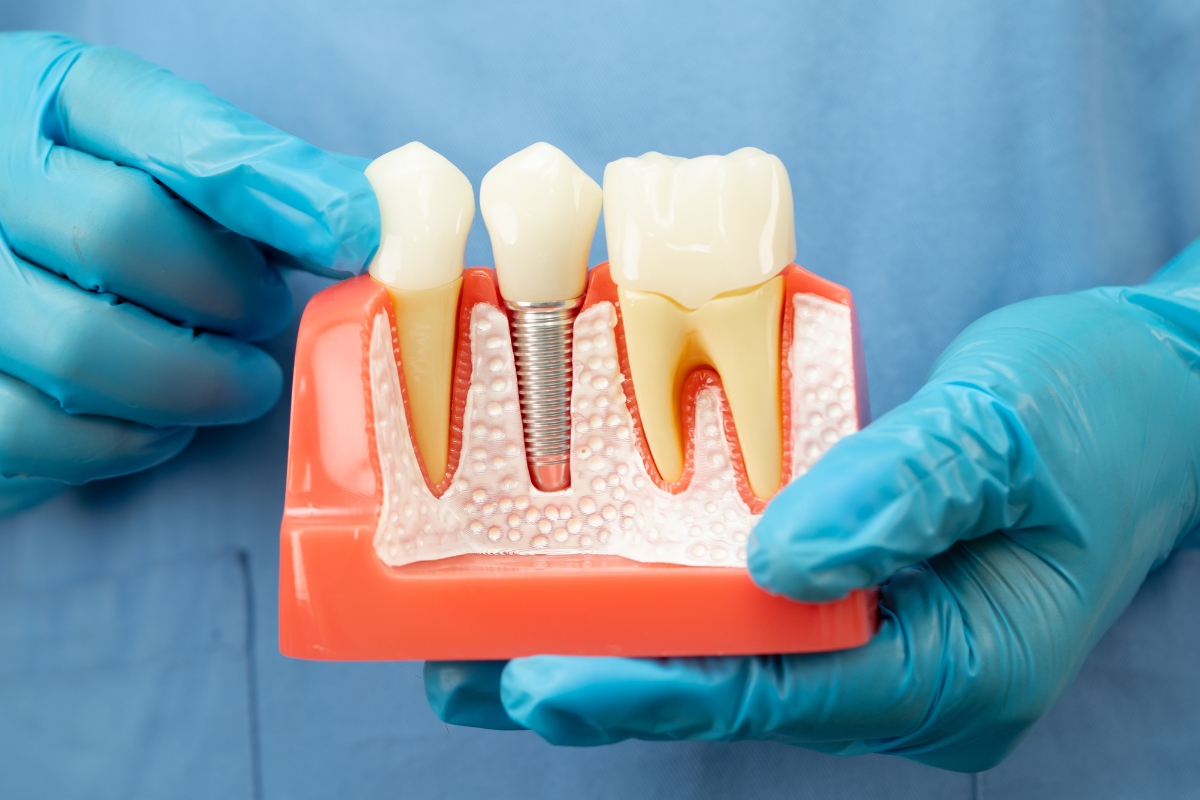
Implants have revolutionized the way dentists restore missing or damaged teeth. However, what exactly is the implant treatment? In simple terms, these small titanium posts serve as replacements for the root of a missing tooth. Once the implant is securely placed in your jawbone, it acts as the foundation for a crown, bridge, or denture.
Compared to traditional restorations, implants offer several benefits that make them a reliable and long-lasting option. Here’s why this advanced procedure is worth considering as an upgrade for your existing restorations:
Stability and Durability
Traditional dental restorations, such as crowns or bridges, often rely on the surrounding teeth for support. Over time, these restorations can wear down, weaken, or shift out of place. In contrast, these artificial tooth roots integrate directly with your jawbone, providing unparalleled stability and strength. With proper care, implants can last a lifetime, making them an ideal long-term solution.
Preservation of Bone Health
One significant advantage of implants over other restorations is their ability to preserve the jawbone. When a tooth is lost, the surrounding bone can begin to deteriorate over time. Implants stimulate the bone, encouraging new growth and preventing bone loss. This is a unique feature that other restorations, like crowns or bridges, cannot offer.
Natural Appearance and Comfort
Implants look and feel like natural teeth. They are custom-made to match the shape, size, and color of your surrounding teeth, blending seamlessly with your smile. Unlike traditional restorations, implants don’t require altering or filing down adjacent teeth, providing a more comfortable and aesthetically pleasing result.
How Dental Implants Replace Existing Restorations
Now that you understand the basics of this treatment, let’s dive into how they can replace your existing restorations. Whether you have a damaged crown, a loose bridge, or old fillings, implants could be the solution you’ve been looking for.
Replacing Damaged or Failing Crowns
If you have a crown that’s been in place for many years but is now showing signs of wear or damage, replacing it with an implanted tooth can provide a stronger, more durable solution. Instead of relying on a crown that may require frequent repairs or replacements, an implant provides the stability of a natural tooth root, ensuring your restoration lasts much longer.
Rebuilding with Bridges
Bridges are commonly used to replace missing teeth by anchoring onto adjacent teeth. However, over time, the teeth supporting the bridge can weaken, causing it to loosen or become uncomfortable. Implants can be used to replace missing teeth and eliminate the need for surrounding teeth to bear the load. This not only makes the replacement more durable but also reduces the risk of damage to healthy teeth.
Filling Gaps with Implants
If your dental fillings are old or ineffective, they can lead to further decay or tooth sensitivity. In some cases, an implant can replace an entire tooth if a filling is no longer viable. This is especially beneficial if you’ve experienced significant tooth damage or decay.
The Long-Term Benefits of Choosing Implant Treatment
When it comes to replacing failing or damaged restorations, implants stand out not only for their durability but for the numerous long-term benefits they offer. Below, we highlight some key reasons why many people choose implants over other restorative options.
Better Oral Health and Function
Implants are not just about aesthetics; they also contribute to overall oral health. Traditional restorations can sometimes lead to further oral health issues if not properly maintained. In contrast, implants preserve your natural teeth and jawbone structure, making them a more holistic solution for improving your oral health and restoring your ability to chew, speak, and smile with confidence.
No Need to Alter Adjacent Teeth
With bridges or crowns, neighboring teeth are often shaved or altered to accommodate the restoration. Implants, however, do not require altering surrounding healthy teeth. They stand alone in the jaw, which helps preserve the integrity of your remaining natural teeth.
Minimal Maintenance and Long-Term Value
Unlike removable restorations that may need replacement every 5-10 years, implants are designed to last a lifetime with proper care. While other restorations may require frequent adjustments or replacements, implants are a permanent solution, offering substantial long-term value for your investment.
Enhanced Comfort and Confidence
Implants mimic natural teeth in both appearance and feel. They integrate into the jawbone, providing a secure and stable solution that allows you to eat, speak, and smile comfortably. If you’re tired of worrying about your bridge or denture slipping, implants offer the peace of mind that comes with a fixed, reliable restoration.
Improved Aesthetic Outcome
Implants are designed to blend seamlessly with your existing teeth, providing a natural, aesthetically pleasing smile. Unlike older restorations that may become discolored or lose their fit over time, implants maintain their appearance and function, contributing to a youthful, healthy-looking smile.
Ready for a Long-Lasting Fix?
Living with uncomfortable or failing dental work can take a massive toll on your quality of life. You deserve to eat the foods you love and smile without holding back. At SmileCare Dental of Fitchburg, our team is dedicated to helping local residents find lasting relief from their dental struggles.
We take a personalized approach to restorative care, carefully assessing your current dental work and bone structure to map out the safest, most effective path to a permanent smile. Are you ready to find out if implants are the right permanent fix for your failing restorations? Take the first step toward a worry-free smile today.
Check out our website, or call our team to learn more about our comprehensive restorative options. Book your appointment today!
FAQs
How long do dental implants last?
Dental implants can last a lifetime with proper care, making them a durable solution compared to traditional restorations.
Can implants replace my current crown?
Yes, implants can replace damaged crowns by providing a more stable and long-lasting foundation for the new restoration.
Are dental implants better than bridges?
Dental implants provide more stability and help preserve bone health, while bridges rely on adjacent teeth for support.
How do implants prevent bone loss?
Implants stimulate the jawbone, promoting new growth and preventing bone deterioration that often occurs with missing teeth.
Can dental implants fix a failing bridge?
Yes, dental implants can replace a failing bridge by providing a stronger, independent foundation that doesn’t rely on surrounding teeth.
Do dental implants require special care?
Like natural teeth, dental implants require regular brushing, flossing, and dental checkups to ensure they remain healthy and functional.
How do I know if implants are right for me?
During your consultation, our team will evaluate your oral health, discuss your options, and determine if dental implants are the best solution for your needs.