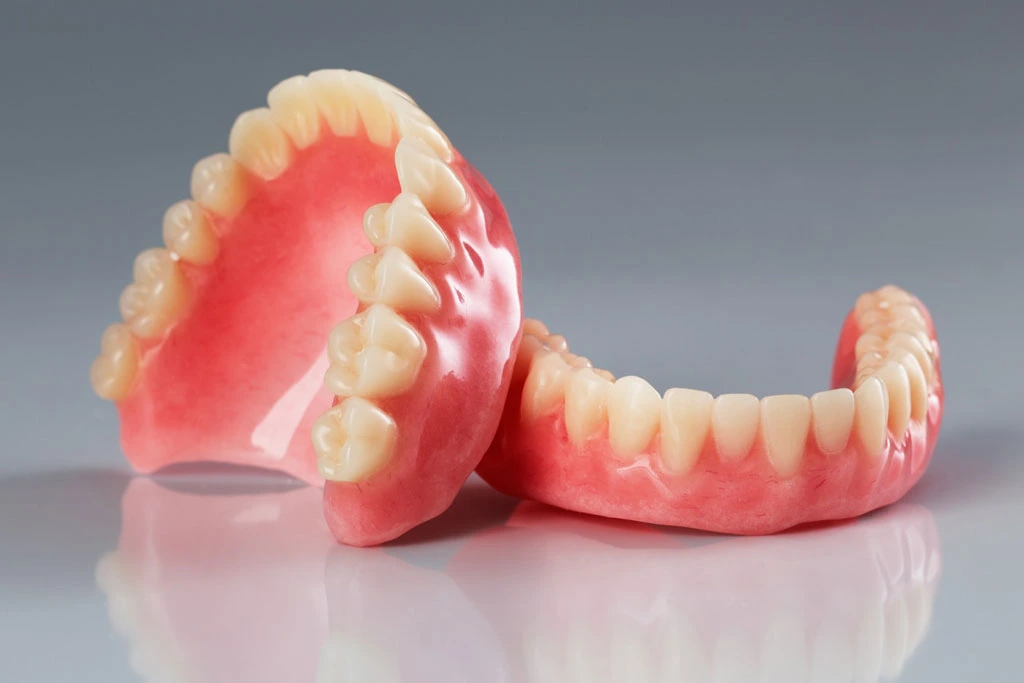
A new set of dentures changes a lot about your daily routine. Chewing feels different at first. Speaking may take practice. Caring for dentures might seem unfamiliar. You want them to last, feel comfortable, and help you smile with confidence every day. A reliable cleaning routine enables you to get there. You do not need complicated tools or harsh methods – just consistency and a few smart habits.
Five minutes of proper denture care can keep your prosthetic fresh, help prevent irritation, and protect your oral health in the long term. If you are new to caring for dentures, this guide will walk you through practical steps for home care, mistakes to avoid, and ways to keep your smile functioning well.
After your first week, you may notice a bit of soreness or extra saliva. That is normal. Cleaning well gives your gums a better chance to adapt. Around this stage, some patients start searching for denture cleaning tips, wondering how to maintain them properly without constant professional support. The good news is that home care is manageable, and you can keep your dentures in great shape with a steady routine.
Why Proper Cleaning Matters
Dentures collect food debris just as natural teeth do. Even though they cannot decay, plaque buildup still affects your mouth. Poor oral care may lead to:
- Bad breath
- Gum irritation
- Staining
- Oral infections
Research shows that denture wearers with poor hygiene have a higher risk of developing denture stomatitis, a type of oral yeast infection. Caring for your new prosthetic helps protect your oral tissues and keep the appliance comfortable day after day.
Step-by-Step Guide to Cleaning Your Dental Restorations Every Day
A simple habit goes a long way. Break your cleaning routine into three parts: after meals, night care, and morning prep.
After Meals
Rinse gently using lukewarm water to remove food stuck in dentures. Avoid very hot water because it can affect the shape and fit. You do not need to brush after every meal; just rinse. If food remains stuck after rinsing, use a soft denture brush to gently remove particles.
Evening Brushing
Most dentists recommend a soft-bristle brush made for dentures. Use a non-abrasive denture cleanser – regular toothpaste is often too harsh for dentures. Brush the entire surface, including under metal clasps, if you wear partial dentures. Also, remember to clean your natural teeth and gums before soaking your dentures.
Overnight Soaking
Soaking keeps dentures moist and prevents them from drying out. Soak dentures in a denture-specific solution or plain water overnight. A dry denture becomes brittle and uncomfortable to wear.
Essential Products for Effective Denture Care
Not everything in your bathroom works. These items are safe to keep nearby:
- Denture brush or soft brush
- Denture-approved cleanser
- Lukewarm running water
Avoid household cleaners, bleach solutions, or abrasive pastes when cleaning dentures. They may discolor acrylic or weaken the structure. When choosing a denture cleanser, opt for alcohol-free products that won’t cause your dentures to become brittle over time.
Tips to Maintain Fresh Breath and Comfort with Dentures
Clean dental plates help your breath stay pleasant. Here are quick tips for freshness:
- Brush your tongue and gums each morning
- Rinse dentures after meals.
- Stay hydrated
- Visit your dental office for routine adjustments.
Try using denture-specific mouthwashes to maintain freshness without affecting the material of your dentures. A well-maintained denture can also reduce the risk of bad breath by eliminating bacteria that cause odor.
Common Mistakes to Avoid
A gentle approach is the right approach. Many new wearers make these mistakes:
- Using hot water
- Scrubbing too hard
- Sleeping with dentures (unless advised otherwise)
- Applying regular toothpaste
- Skipping routine checkups
Even though home care handles most cleaning, you still benefit from routine dental visits. Professional oral cleaning removes deep deposits you cannot reach on your own. Your mouth and denture change with time, and adjustments keep everything working comfortably.
Signs Your Dentures Need Professional Care
Pay attention to how they feel. If you notice:
- Persistent sore spots
- Clicking noise while talking
- Food is getting trapped constantly
- Changes in fit
- Damage or cracks
It is time to schedule a visit. A poorly fitting denture can rub against the gum tissue, causing inflammation or ulcers. Do not try to fix it at home – repairs require precision.
Eating and Speaking Tips for New Wearers
Many patients mention holiday dinners, social gatherings, and fall fairs as moments where denture comfort matters most. You can still enjoy your favorite meals – start with soft foods like eggs, yogurt, cooked vegetables, and proteins. Cut food into smaller, chewable portions. Chew slowly and evenly on both sides of the mouth.
Speaking improves with time. Practice reading a page aloud or speaking in front of a mirror. Some people place a drop of denture adhesive to stabilize the fit during early adaptation.
Life brings changing weather, close-knit neighborhoods, and plenty of dining spots, from Market Basket deli sandwiches to family meals downtown. Dentures should fit comfortably into that lifestyle – not complicate it. With good home care and professional support, your smile can stay healthy whether you are at work, out shopping on John Fitch Highway, or enjoying a weekend at Fitchburg Art Museum.
Keep Your Dentures Clean, Comfortable, and Confident
Dentures should help you enjoy life without worry. A consistent routine, gentle daily cleaning, and regular checkups make them stay fresh and long-lasting. If you ever experience discomfort, staining, or changes in fit, a dental visit can address these issues before they worsen.
SmileCare Dental welcomes patients who want healthy oral care at every stage. Whether you just received dentures or have worn them for years, we are here to guide you with solutions that keep your smile stable and confident. Book an appointment today with SmileCare Dental of Fitchburg to keep your dentures clean, comfortable, and long-lasting.
FAQs
1. How often should I clean my dentures each day?
You should clean your dentures at least twice a day—once in the morning and once at night. Rinsing after meals is also recommended.
2. Can I use regular toothpaste to clean my dentures?
It’s best to avoid regular toothpaste because it can be abrasive. Use a denture-specific cleanser instead to maintain the structure of your dentures.
3. What should I do if my dentures become loose or uncomfortable?
If your dentures feel loose or cause discomfort, contact your dentist to have them adjusted. Wearing ill-fitting dentures can lead to gum irritation or sores.
4. How can I prevent bad breath while wearing dentures?
Clean your dentures after every meal, brush your gums and tongue, and stay hydrated to help combat bad breath.
5. Can I sleep with my dentures in?
It’s generally best to remove your dentures at night to allow your gums to rest and prevent bacterial buildup.