If you’re considering cosmetic dentistry to transform your smile, you may have some pressing questions, especially if you’re dealing with gum disease. Can you get veneers or teeth whitening if your gums aren’t in perfect condition? The answer is clear: yes, but not before treating your gum disease.
While it might be tempting to skip straight to the visual upgrades, your gums are the actual foundation of your smile. According to the Centers for Disease Control and Prevention (CDC), nearly 47% of adults aged 30 and older in the United States have some form of periodontal disease.
As it is incredibly common, discovering you have gum disease does not mean your cosmetic goals are ruined. It simply means we have to prioritize your health first to ensure your new smile actually lasts.
Reasons Why Treating Gum Disease Matters Before Cosmetic Dental Treatments
Beyond just protecting the results of your cosmetic procedures, treating gum disease first offers several other long-term benefits that directly improve both the health and appearance of your smile. Here’s why it’s worth prioritizing:
Improved Overall Oral Health
Treating gum disease does more than just pave the way for cosmetic improvements; it also restores your oral health. Gum disease is not isolated to your gums alone; it can spread to the bone structure around your teeth, compromising the foundation of your smile.
Addressing the issue early helps preserve the bone density necessary to support your teeth. Additionally, once the infection is under control, you significantly reduce the risk of tooth loss.
Enhanced Longevity of Cosmetic Results
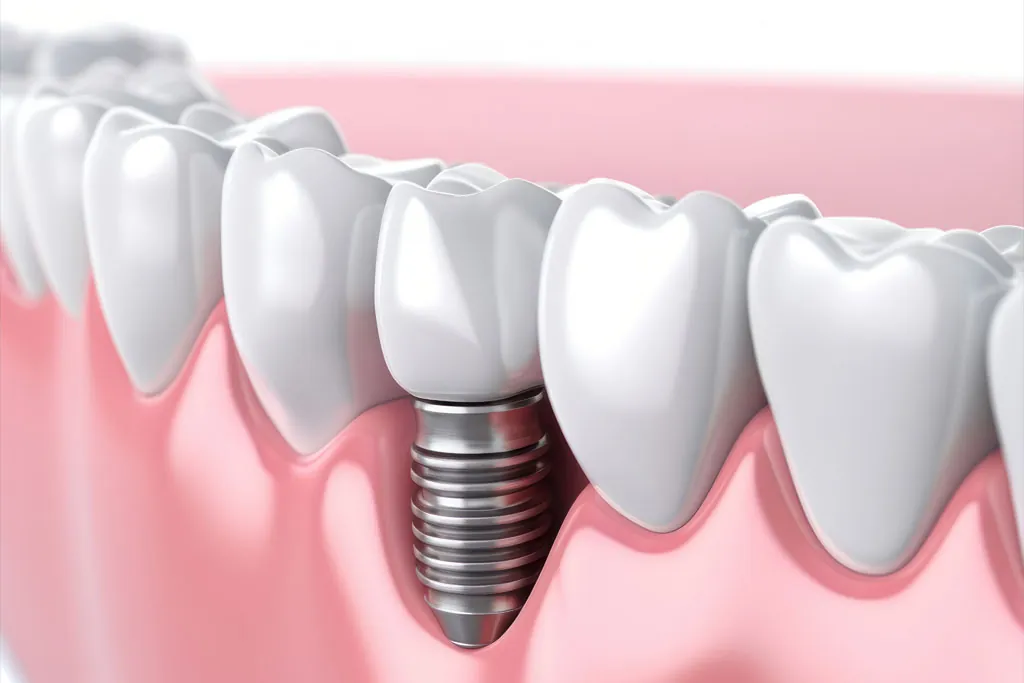
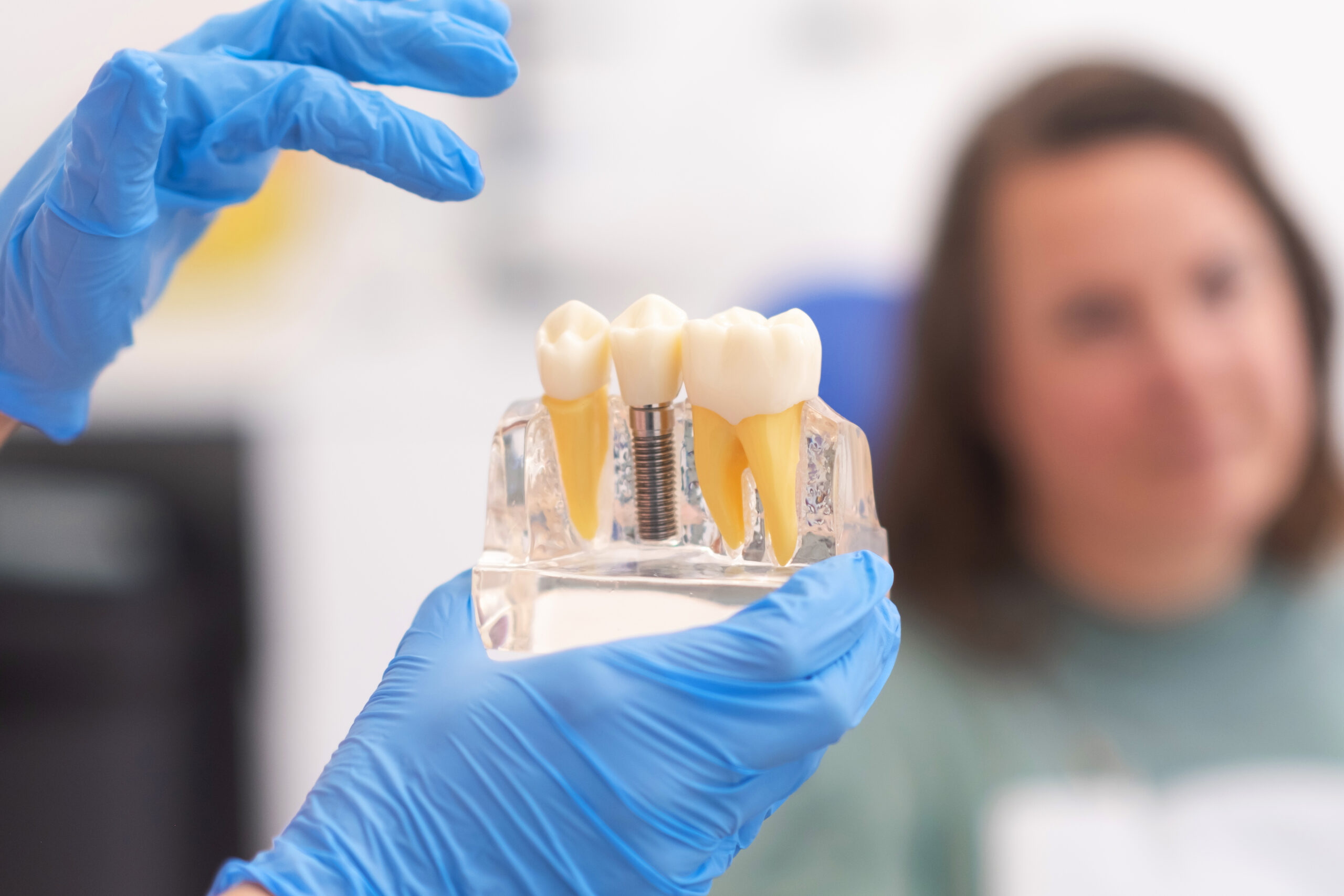
A healthy gum foundation ensures that the cosmetic treatments you receive are more durable and long-lasting. For example, veneers, crowns, or implants rely on strong, stable gums and bones to stay in place.
If your gums are inflamed or receding, your cosmetic treatments may fail sooner or shift, requiring additional visits or even replacements. Addressing gum disease first ensures that your cosmetic work will stand the test of time, saving you from additional investments in the future.
Reduced Risk of Recurrent Gum Disease After Cosmetic Treatment
After undergoing cosmetic procedures, proper oral care becomes even more critical. If your gums are still infected when you get cosmetic treatments, the infection can worsen and spread, causing complications with your smile enhancement.
Getting gum disease treated first helps create a healthy oral environment that supports your treatments, reduces the chances of reinfection, and promotes overall gum health.
Fewer Visits and Less Time Spent in the Dental Chair
By taking care of gum disease in advance, you minimize the number of visits required to complete your smile makeover. Skipping this crucial step could lead to delays, as inconsistent healing from untreated gum disease may require additional follow-up appointments to address setbacks. Early treatment leads to a quicker, smoother cosmetic procedure process, meaning you’ll spend less time in the dental chair and get the smile you want faster.
Boost in Self-Confidence and Comfort During Treatment
Gum disease can cause pain, swelling, and bleeding, all of which make dental procedures uncomfortable. By addressing gum disease first, you’re setting the stage for a more comfortable cosmetic treatment experience.
Not only will you feel better during treatment, but knowing you’ve taken care of the health foundation of your smile will boost your confidence throughout the entire process. Feeling comfortable and confident in your dental care decisions contributes to better overall outcomes, both for your health and appearance.
When Should You Seek Professional Care for Gum Disease? Early Warning Signs to Look Out For
Providing your readers with a list of early warning signs encourages them to act promptly and seek treatment before it affects their cosmetic options.
Here are signs to look out for:
- Bleeding Gums: Frequent bleeding when brushing or flossing.
- Bad Breath or Unpleasant Taste: Persistent bad breath that doesn’t go away with brushing.
- Swollen or Tender Gums: Gums that are swollen, red, or painful to touch.
- Receding Gums: Gums pulling away from teeth, creating longer-looking teeth.
- Loose Teeth: Teeth feeling loose or shifting positions.
The Hidden Risks of Ignoring Gum Disease
Even the most advanced cosmetic treatment cannot outshine or outlast underlying gum problems. Untreated gum disease can:
Compromise Aesthetic Outcomes
Inflamed or receding gums can expose gaps around veneers, distort how restorations fit, or make whitening results look inconsistent.
Increase Infection Risk
Cosmetic work involves adjusting tooth structure or manipulating tissues. If bacteria and inflammation are active, this increases the risk of complications and prolongs healing times.
Weaken Tooth Support
Many cosmetic procedures rely on healthy gum and bone support. If periodontal disease has weakened these tissues, restorations may loosen, shift, or fail sooner.
Reduce Durability of Treatment
Even a professionally crafted smile makeover is only as stable as the structures beneath it. Managing gum disease first protects your investment and ensures lasting results.
That is why at SmileCare Dental of Fitchburg, we always ensure gum health is stabilized, and infections are managed before starting any cosmetic dentistry procedures.
The Step-by-Step Path from Healing to Your Dream Smile Makeover
When patients reach out to our dental practice to improve their oral appearance with our cosmetic dental treatments, the process of moving from infected gums to a beautiful smile makeover involves a structured clinical approach. Here is how we approach:
Step 1: Accurate Assessment and Periodontal Therapy
The journey begins with a comprehensive dental exam. We evaluate the depth of your gum pockets and check for signs of bone loss. If gingivitis or periodontitis is present, we will recommend targeted treatment. During this process, we meticulously remove the hardened tartar buildup from below the gum line and smooth the tooth roots to help the tissue reattach and heal properly.
Step 2: Maintenance and Stabilization
After your initial care, we monitor your healing. Maintaining a consistent schedule is paramount to ensure the disease is fully arrested. Once your gums have returned to a firm, pink, non-bleeding state and your bone levels are stabilized, you are officially cleared to explore cosmetic possibilities!
Step 3: Designing Your Custom Cosmetic Plan
With a healthy foundation firmly established, we can safely dive into your smile makeover. At this stage, you can explore the exact cosmetic treatments perfect for your goals. We offer an array of solutions to improve your smile’s appearance regardless of your concern.
At our dental practice, we focus on providing dental care that not only improves your dental esthetics but also your oral function. This is why we address your dental problems early, before proceeding with your smile improvement procedures.
Ready to Build Your Perfect Smile on a Healthy Foundation?
To sum up, the success of cosmetic dentistry depends heavily on the health of your gums. Whether you’re looking to brighten your smile, fix imperfections with veneers, or align your teeth with Invisalign, treating gum disease first will ensure that your cosmetic work lasts longer and looks better. At SmileCare Dental of Fitchburg, we’re here to guide you through every step of the process to achieve your dream smile.
Ready to take the next step? Schedule a consultation with us today, and let’s work together to get your gums and smile in perfect shape.
Frequently Asked Questions:
Can I get teeth whitening if I have gingivitis?
It is highly recommended to resolve gingivitis before professional teeth whitening. Whitening gels contain potent active ingredients that can cause severe irritation, burning, and intense sensitivity when applied to inflamed or bleeding gums.
How long after gum disease treatment can I start cosmetic dentistry?
The waiting period typically ranges from a few weeks to a few months. It depends entirely on the severity of the infection and how quickly your gum tissues heal and stabilize. We will clear you for cosmetic work as soon as your gums are proven healthy and firm.
Will getting veneers fix my receding gums caused by gum disease?
Veneers cannot cure gum disease or stop recession. In fact, placing veneers over active gum disease can accelerate recession. The infection must be treated first. Once the disease is arrested, veneers can sometimes be used to masterfully mask the visual appearance of past recession.
Does insurance cover gum disease treatment needed before cosmetic work?
While insurance rarely covers purely cosmetic treatments like veneers or whitening, gum disease treatment is classified as a medically necessary procedure. Many dental insurance plans do offer coverage for scaling and root planing or routine maintenance.
Can I use Invisalign to straighten my teeth if I have bone loss from gum disease?
If gum disease has caused active bone loss, moving the teeth with clear aligners can accelerate that bone loss and potentially lead to tooth loss. However, if the gum disease is treated, fully arrested, and strictly monitored, orthodontics may safely become an option.
What happens if I ignore my gum disease and get cosmetic work anyway?
Ignoring the infection usually leads to premature failure of your cosmetic restorations. You risk recurring decay at the margins, visible gum recession exposing the edges of your veneers, and eventually, loose teeth or total tooth loss.
How can I tell if I have gum disease before booking a cosmetic consultation?
Common red flags include gums that bleed when you brush or floss, persistent bad breath, red or swollen tissue, and gums that appear to be pulling away from your teeth. A professional examination at our office is the only way to get a definitive diagnosis.