A healthy smile depends on strong, functional teeth. Over time, teeth can become weak, damaged, or worn down. In such cases, a dental crown can help restore strength and protect the tooth from further deterioration. Many patients in Fitchburg choose crowns because they look natural, feel comfortable, and offer long-lasting protection.
This guide explains when a dental crown may be needed and how it supports your long-term oral health.
What Is a Dental Crown?
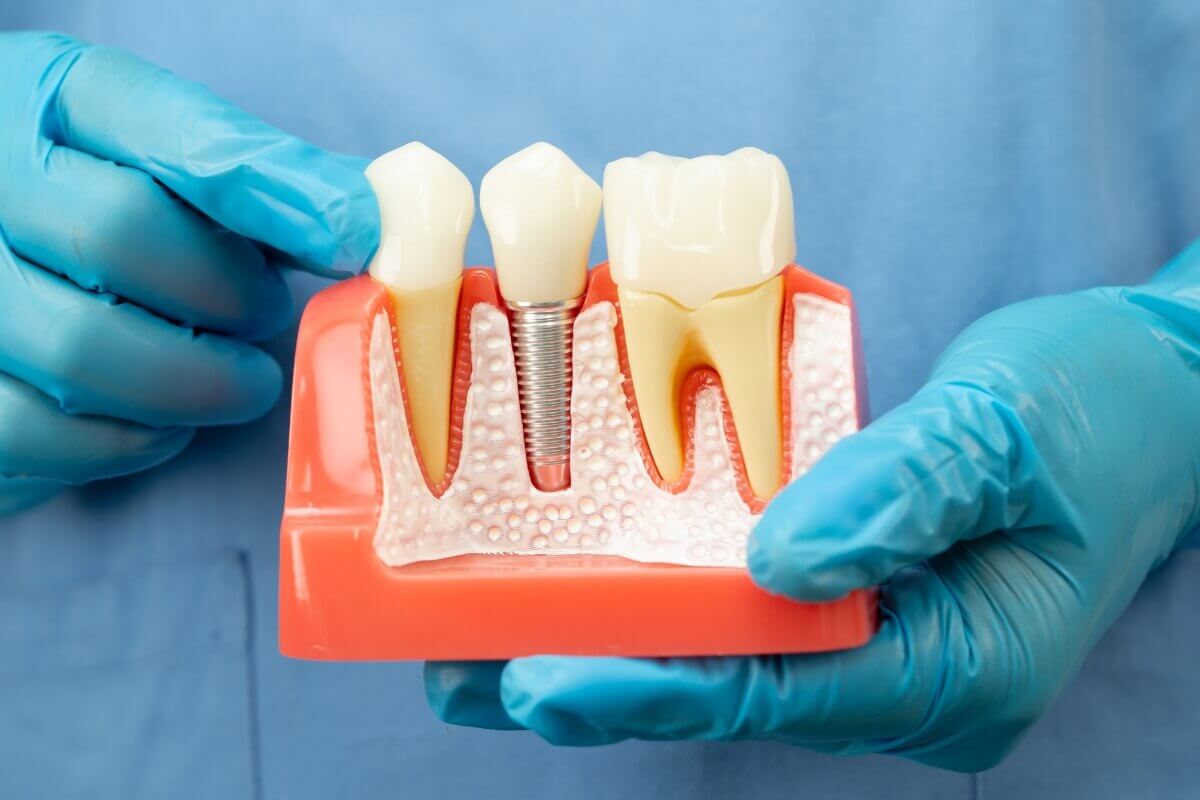
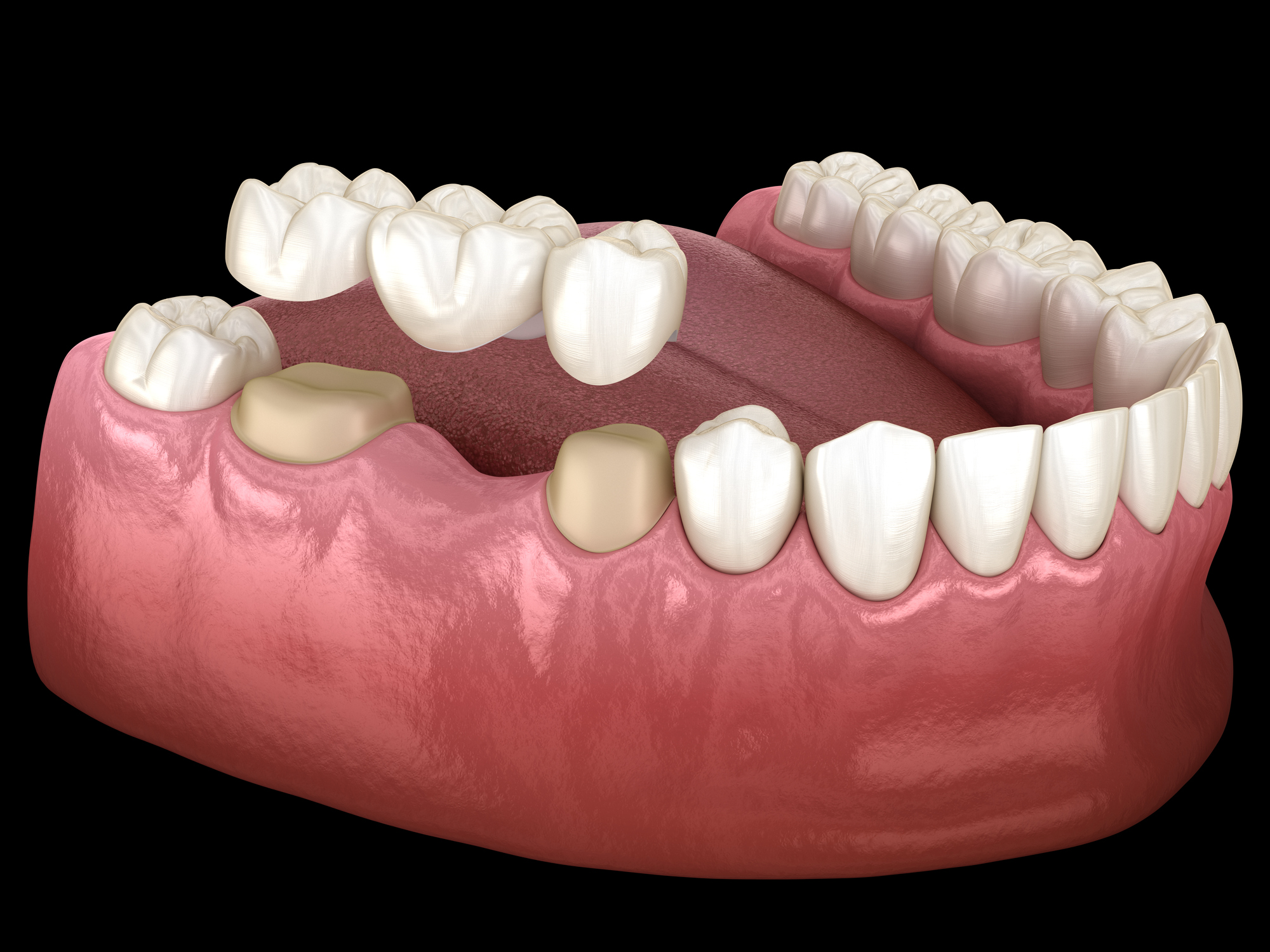
It is a custom cap that fits over the entire tooth, restoring its shape, strength, and function. Crowns are typically made from materials like porcelain, ceramic, or metal. These materials are chosen because they blend seamlessly with natural teeth, ensuring that your smile looks both even and healthy.
Crowns are used not only to protect weak or damaged teeth but also to enhance the appearance of your smile, restoring both form and function. If you’re considering dental crowns in Fitchburg, contact us today to schedule an appointment at our practice.
When You May Need a Dental Crown
There are several situations in which a crown may be the best solution to restore your tooth’s health and appearance. Below are some of the most common reasons why a crown may be necessary:
1. Severe Tooth Decay
If your tooth is severely decayed, a large cavity can weaken the tooth’s structure. A dental cap provides protection by covering the tooth and preventing further decay. Without a crown, the decay can spread, causing additional damage or even tooth loss. A crown keeps the tooth intact and functional, helping you avoid more extensive treatments in the future.
2. Cracked or Broken Tooth
Teeth can crack or break due to injury, decay, or stress from chewing. A cracked or broken tooth can be sensitive and painful. A dental crown helps stabilize the tooth, preventing the crack from worsening and ensuring that the tooth remains functional. Crowns are designed to hold the tooth together and protect it from further damage, allowing you to chew and bite without discomfort.
3. After a Root Canal
A tooth that has undergone a root canal treatment is often left weakened, as the inside of the tooth is cleaned out and sealed. To prevent the tooth from breaking, a dental crown is placed over the tooth to reinforce its structure and provide protection. Crowns help preserve the tooth’s strength, ensuring it remains stable and functional for years to come.
4. Worn-Down Teeth
Grinding or clenching your teeth over time can cause your teeth to become shorter or uneven. This can affect how you chew and cause sensitivity or discomfort. A dental cap restores the tooth to its natural shape, providing a smooth surface for chewing. It also protects the tooth from further wear and tear, allowing you to maintain your oral health.
5. Large Filling Support
If a tooth has a large filling, it may no longer be strong enough to hold the filling in place. This can cause the filling to break or fall out, exposing the tooth to further damage. A dental cap provides the necessary support, holding the filling securely in place and protecting the tooth from further deterioration.
6. Cosmetic Enhancement
If a tooth is misshapen, discolored, or damaged beyond repair, a crown can dramatically improve its appearance. Crowns help even out your smile by covering imperfections, such as discoloration or uneven shapes, and restoring a natural, healthy look. They blend seamlessly with surrounding teeth, giving you a beautiful, confident smile.
The Dental Crown Process Explained
The process typically requires two visits to your dentist. Here’s what you can expect during each step of the procedure:
First Visit: Preparation and Impressions
During the first visit, your dentist will prepare the tooth by removing any decay and shaping it to fit the crown. Impressions of your tooth are taken to ensure that the crown fits perfectly. A temporary crown is placed over the tooth to protect it while the permanent crown is made.
Second Visit: Crown Placement and Adjustment
Once the permanent crown is ready, your dentist will place it on the tooth and make any necessary adjustments to ensure a proper fit. The dentist will check that the crown feels comfortable and that you can bite and chew naturally. This visit is usually quick, and the adjustment process ensures that the crown functions like a natural tooth.
Benefits of Dental Crowns
There are several reasons why these dental restorations are an effective solution for restoring teeth. Here are the key benefits:
- Protection: A crown shields a weakened tooth from further damage or decay.
- Aesthetic Improvement: Crowns blend with your natural teeth, improving the overall appearance of your smile.
- Functionality: A crown restores your ability to bite, chew, and speak with ease, just like a healthy tooth.
- Long-Term Support: By strengthening a tooth, crowns help prevent future dental issues and support long-term oral health.
How Long Do Dental Crowns Last?
With proper care, crowns can last for many years. Regular brushing, flossing, and dental checkups will help preserve the condition of your crown. Many patients who maintain good oral hygiene habits enjoy long-lasting results and maintain healthy, functional crowns for many years. A well-maintained crown can provide peace of mind and a natural-looking smile for a long time.
Final Thoughts
A dental crown is a reliable solution for protecting and restoring a damaged tooth. It enhances strength, appearance, and long-term functionality, ensuring your smile stays healthy and vibrant.
If you live in Fitchburg and think you may need a crown, the best way to determine your options is through a thorough dental exam. Dental crowns in Fitchburg from our dental office can help improve your smile and restore your oral health. To learn more or to book an appointment, visit our dental office today. Let us help you protect your smile for years to come.
FAQs
1. How long does it take to get a dental crown?
The process typically requires two visits—one to prepare and take impressions, and another to place the permanent crown. Some practices offer same-day crowns with advanced technology. Schedule your consultation to learn more.
2. Are dental crowns painful?
The procedure is painless thanks to local anesthesia, and any mild sensitivity afterward usually fades quickly. Don’t let discomfort stop you—book your crown appointment today for a smooth experience.
3. What materials are crowns made from?
Crowns come in porcelain, ceramic, zirconia, metal alloys, or porcelain-fused-to-metal. Your dentist will help determine the best material for your needs to ensure lasting results. Reach out to discuss your options!
4. Can a crown look natural?
Yes, porcelain and ceramic crowns are crafted to match the color and shape of your natural teeth, ensuring a seamless, natural-looking smile. Contact your dentist to explore how a crown can improve your smile!
5. How do I take care of my dental crown?
To maintain your crown, brush twice daily, floss, avoid hard or sticky foods, and keep up with regular checkups. Take care of your crown—schedule your follow-up appointment for optimal results.