Dental implants have become one of the most dependable ways to replace missing teeth. They restore strength, improve chewing ability, and help maintain the natural structure of the jaw. Many patients who receive implants enjoy a dramatic improvement in their daily comfort and confidence. However, the success of this treatment does not depend only on the procedure itself. What patients do after surgery plays a major role in how well the implant heals and how long it lasts.
In this part of north-central Worcester County, residents lead active lives, working, commuting, enjoying local restaurants, and spending time outdoors at Coggshall Park or along the Nashua River Rail Trail. With busy routines, it is easy for patients to overlook some essential aftercare steps following implant surgery. Small mistakes during the healing period can slow recovery or affect long-term stability.
At SmileCare Dental of Fitchburg, implant care is approached with careful planning and patient education. Understanding the most common aftercare mistakes helps patients protect their new smile and ensures their implant remains strong for years.
Below are some of the most frequent mistakes patients make after the implant surgery, and how to avoid them.
Overlooking the Healing Timeline
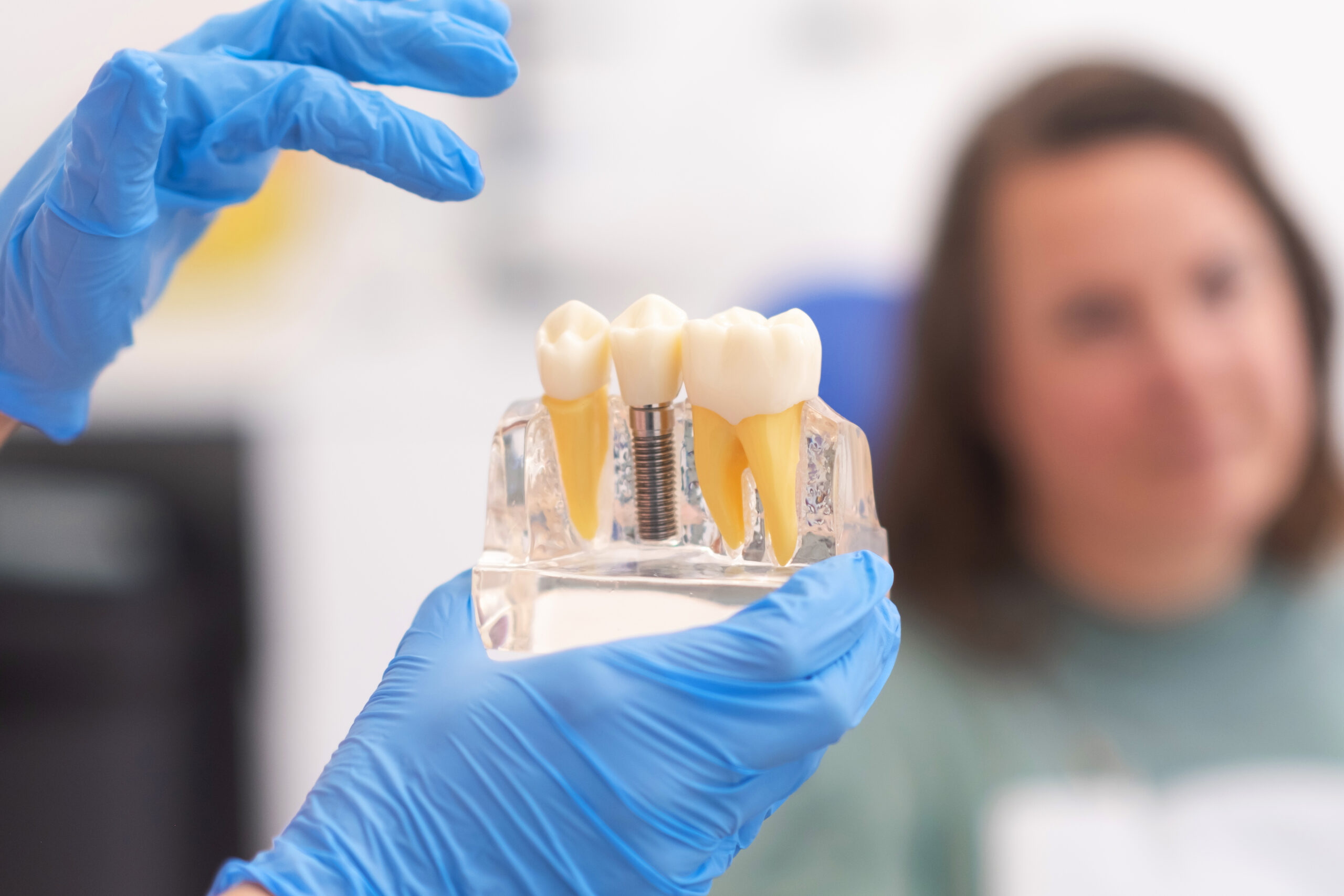
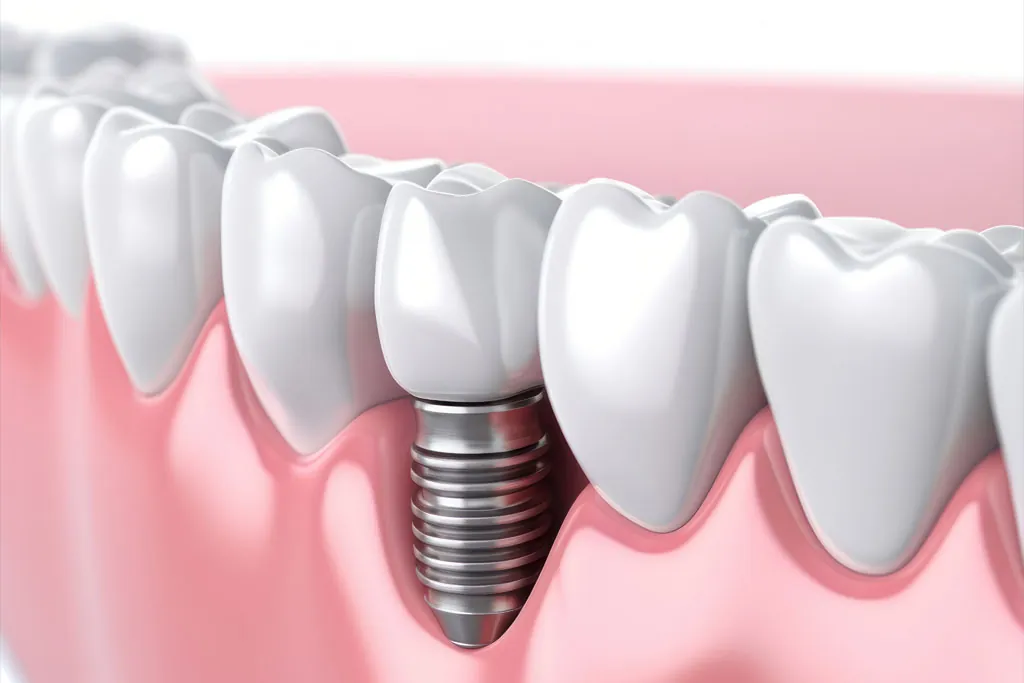
These artificial tooth roots require time for the implant post to bond with the jawbone in a process known as osseointegration. This step is critical because it creates the stable foundation that allows the implant to function like a natural tooth.
Some patients assume that once the surgical site feels comfortable, normal routines can resume immediately. However, healing happens in phases. Chewing hard foods too soon or placing pressure on the implant area can interfere with proper integration.
Following the recommended healing timeline is essential. Your dental provider will guide you on when it is safe to resume normal eating habits and activities.
Consuming the Wrong Foods Too Early
Food choices matter significantly during the recovery phase. Many patients underestimate how much pressure chewing can place on a healing implant site.
Hard, crunchy, or sticky foods can irritate the surgical area or disturb the implant during early healing. Common examples include:
- Hard bread crusts
- Nuts and popcorn
- Chewy candies
- Crunchy chips
Instead, patients should focus on softer foods that allow the surgical area to recover comfortably. Smooth soups, yogurt, mashed vegetables, and scrambled eggs are common recommendations during the early days following implant placement.
As healing progresses, your dental team will advise when it is safe to reintroduce firmer foods.
Skipping Proper Oral Hygiene
A common misconception is that patients should avoid brushing near the implant area after surgery. While gentle care is important, avoiding oral hygiene entirely can allow bacteria to accumulate around the surgical site.
Dental implants require the same level of cleanliness as natural teeth. Bacteria and plaque buildup can lead to inflammation around the implant, which may compromise healing.
Patients should follow specific hygiene instructions provided by their dental team. These often include:
- Gentle brush with a soft-bristle toothbrush
- Using an antibacterial mouthwash to rinse
- Keeping the surgical area clean without excessive pressure
Maintaining good oral hygiene supports healing and reduces the risk of complications.
Missing Follow-Up Appointments
The implant treatment is a multi-stage process. Follow-up visits allow the dental team to monitor healing, evaluate implant stability, and ensure the surrounding tissue is recovering properly.
Some patients feel that if there is no discomfort, follow-up appointments may not be necessary. However, these visits allow dental professionals to detect early signs of potential concerns before they become serious.
Regular checkups also ensure the implant crown or restoration fits correctly and functions properly with the surrounding teeth. Patients who remain consistent with follow-up care typically experience smoother healing and long-term implant success.
Returning to Smoking or Tobacco Too Soon
Smoking is widely recognized as one of the biggest risk factors affecting healing after surgery. Tobacco use reduces blood flow to the gums and slows the body’s natural recovery process.
Some patients attempt to return to smoking shortly after surgery, believing the implant site has already healed. In reality, osseointegration continues beneath the gum surface for several months. Avoiding tobacco during the healing period helps protect the implant and encourages healthy tissue recovery.
Overlooking Early Signs of a Problem
The recovery is generally smooth, but patients should remain attentive to changes in the surgical area.
Signs that should not be ignored include:
- Persistent swelling that lasts longer than the usual healing time
- Growing discomfort rather than gradual improvement
- Gum redness or tenderness around the implant
- Uncommon movement observed in the implant region
These symptoms do not necessarily indicate a serious issue, but they should always be evaluated by a dental professional. Early assessment helps address concerns before they affect implant stability.
Assuming Implants Do Not Require Maintenance
These dental restorations are designed to function like natural teeth, but they still require routine care and professional monitoring.
Some patients believe implants are maintenance-free once healing is complete. In reality, ongoing care is necessary to protect the surrounding gum tissue and bone.
Healthy gums are essential for implant stability. Without proper maintenance, inflammation around the implant, known as peri-implantitis, can develop.
Daily brushing, flossing, and regular dental visits play a critical role in preserving implant health.
Why Proper Implant Aftercare Matters?
Dental implants aim to improve both functionality and confidence. When placed and cared for correctly, they provide long-term support for chewing, speaking, and smiling naturally.
Patients who understand the healing process and follow recommended aftercare guidelines tend to experience better outcomes. A well-maintained implant can remain stable for many years and help preserve the health of surrounding teeth and bone.
For individuals dealing with missing teeth or concerns about implant healing, guidance from an experienced dental team makes a meaningful difference. Personalized care and clear instructions help patients avoid common mistakes and protect their investment in their oral health.
Seek Personalized Professional Guidance for Successful Implant Treatment
Dental implants are designed to restore strength, comfort, and confidence after tooth loss, but their long-term success depends greatly on proper aftercare. Many complications occur simply because patients are unaware of small habits that can affect healing. By understanding these common mistakes and following professional guidance, patients can protect their implants and maintain a healthy, stable smile for years.
If you are dealing with missing teeth or experiencing concerns after implant placement, the team at SmileCare Dental of Fitchburg can help. Contact us to explore implant solutions or receive personalized guidance for maintaining your dental implant and protecting your long-term oral health.
Frequently Asked Questions
How long does it take for a dental implant to heal completely?
Initial healing usually takes a few weeks, but the implant bonding process with the jawbone can take three to six months. During this period, the implant gradually integrates with the bone to create a strong and stable foundation for the replacement tooth.
What foods should I avoid after dental implant surgery?
Patients should avoid hard, crunchy, or sticky foods during the early healing phase. Items such as nuts, chips, popcorn, and chewy candies can place pressure on the implant site and may interfere with proper healing.
Is swelling normal after dental implant surgery?
Mild swelling is common during the first few days after surgery. It should gradually decrease as healing progresses. If swelling persists or worsens, patients should contact their dental provider for evaluation.
Can dental implants fail if aftercare instructions are ignored?
While dental implants have a high success rate, neglecting aftercare instructions can increase the risk of complications. Poor oral hygiene, smoking, or excessive pressure on the implant area may affect healing and long-term stability.
When can I brush my teeth after implant surgery?
Gentle brushing is usually recommended within a day after surgery, but patients should avoid direct pressure on the surgical site. Your dental provider will give specific instructions based on your healing progress.
How do I know if my dental implant is healing properly?
Healthy healing typically involves decreasing swelling, minimal discomfort, and stable gum tissue around the implant. Follow-up appointments allow dental professionals to evaluate the implant and confirm that healing is progressing as expected.
Are dental implants permanent?
Implants are designed as a long-term tooth replacement solution. With proper care, many implants remain stable for decades. Maintaining good oral hygiene and attending routine dental visits helps protect their longevity.