Are you considering dental implants but unsure about the costs? Dental implants are a popular and effective way to replace missing teeth, giving you a long-lasting and natural-looking smile. Many patients in Fitchburg, MA, often ask, “What exactly influences the cost of dental implants?” Knowing the factors that affect these prices can help you make smarter choices and possibly save some money along the way.
Understanding Dental Implant Costs
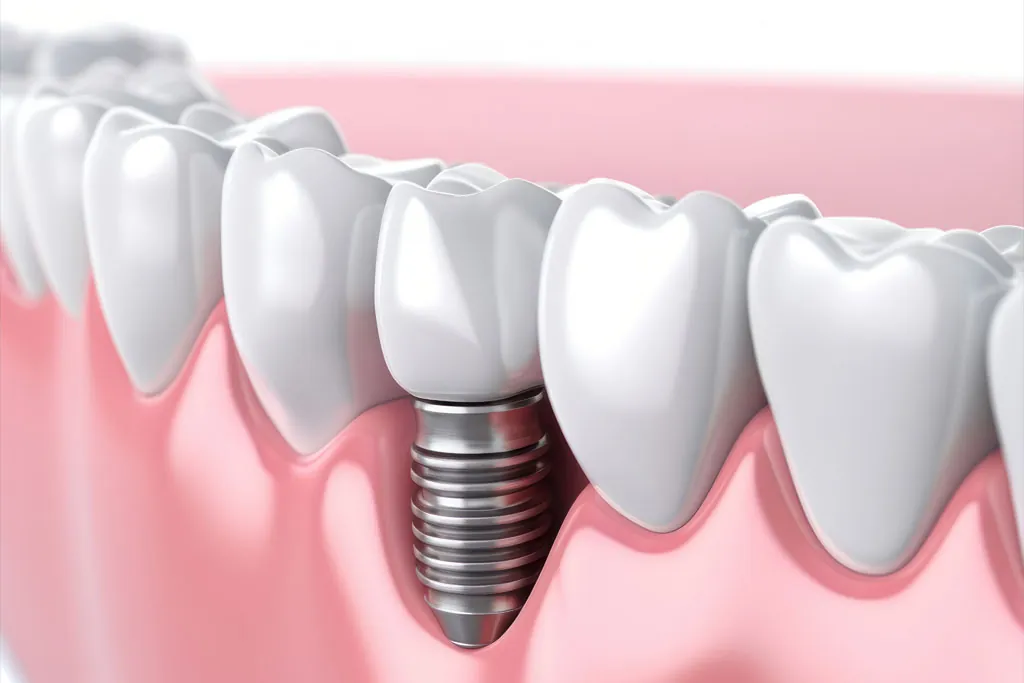
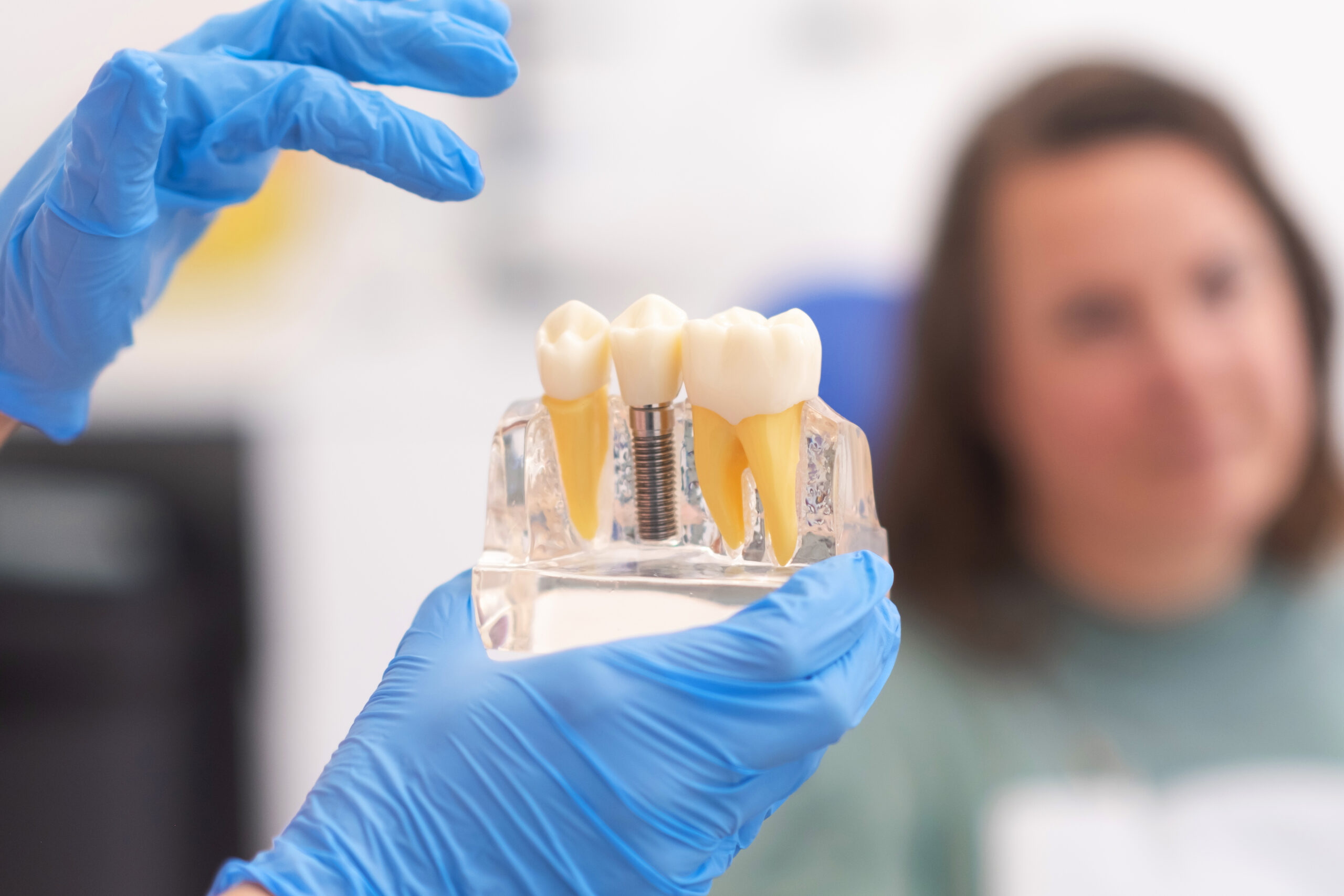
Dental implants offer a durable solution for missing teeth, though costs can differ significantly based on various factors. The basic idea involves surgically inserting a titanium post into the jawbone, functioning as a root for a replacement tooth. After the implant is firmly placed, a crown, bridge, or denture is attached to restore both function and appearance.
Many patients believe that dental implant costs are the same for everyone. In fact, the price varies depending on the procedure’s complexity, the materials chosen, and personal requirements. Although the upfront cost might seem substantial, dental implants offer a long-lasting, functional solution that can last for decades when properly maintained.
Key Factors Affecting the Cost of Dental Implants
Several factors influence the cost of dental implants in Fitchburg, MA, and it’s essential to understand each one to plan accordingly.
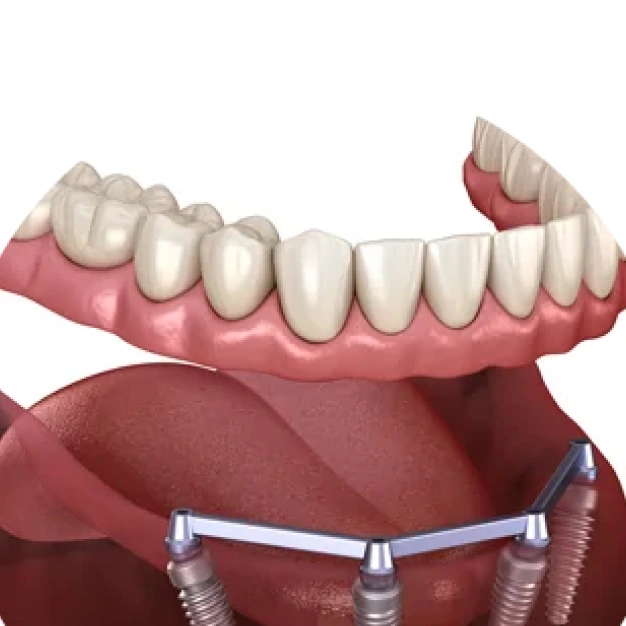
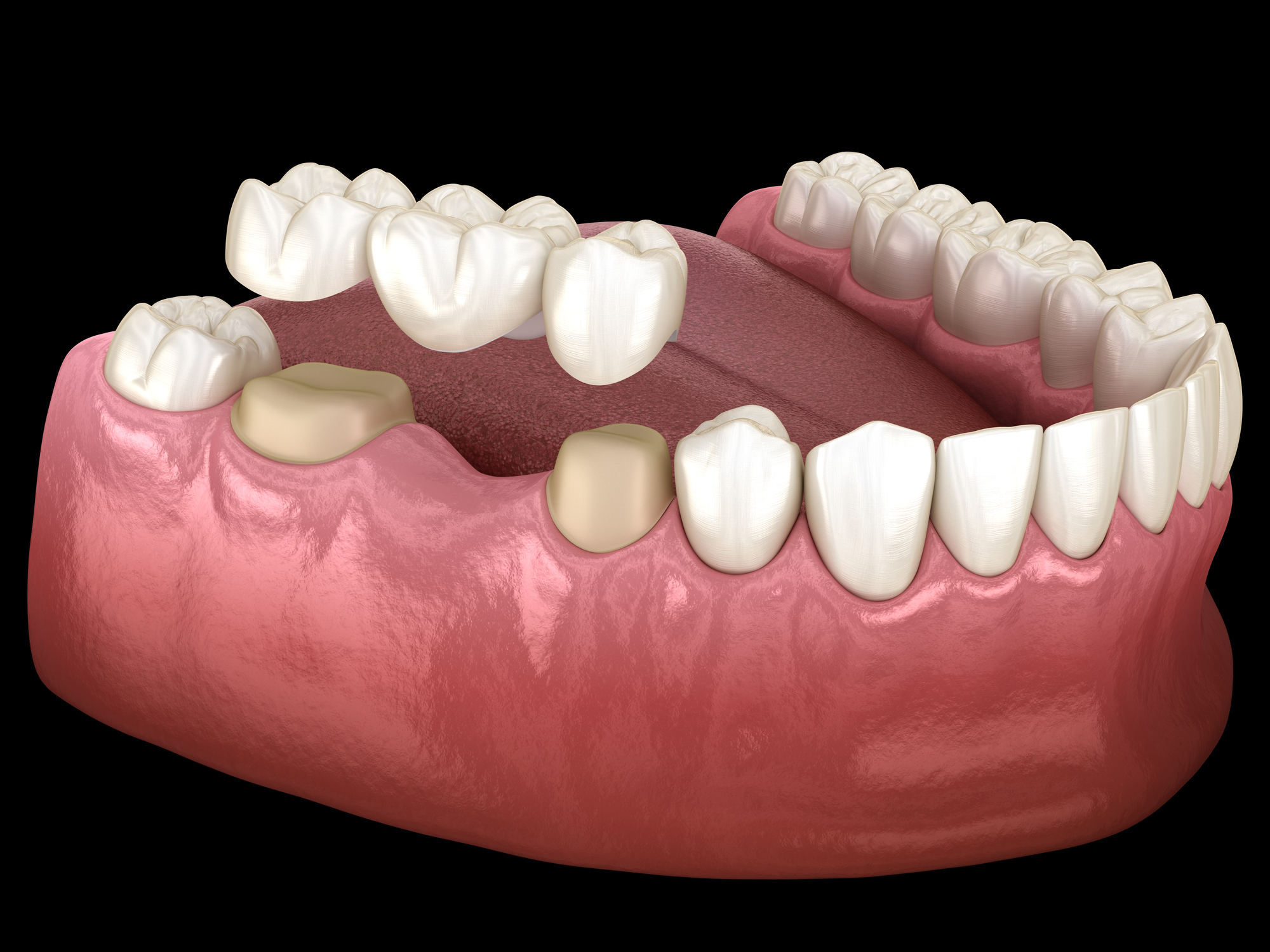
- Type of Implant: Dental implants include single, multiple, and full-arch options, with costs varying based on the number needed and the complexity of the procedure.
- Consultation and Evaluation: Before getting dental implants, a thorough evaluation is essential, including X-rays, CT scans, and an exam of the jawbone and oral health. Additional treatments, such as bone grafts or sinus lifts, will increase costs.
- Materials Used: The quality of implant materials affects price. For example, titanium is widely regarded for its durability, whereas costly materials such as zirconia are also utilized. The type of crown or restoration also influences the overall cost.
- Complexity of the Procedure: The procedure’s difficulty significantly affects the cost. A simpler implant placement tends to be less expensive, while additional procedures such as bone grafting or sinus lifts can increase the price. Additionally, your implant dentist’s proficiency affects the overall cost.
How to Maximize Value When Considering Dental Implants
While dental implants may initially seem expensive, there are strategies to maximize the value of your investment.
- Plan Ahead: Schedule an early consultation with your dentist to explore options. Planning helps avoid rush and account for additional procedures, such as bone grafting, which are part of the total costs.
- Consider Insurance: Some dental insurance plans may cover part of the cost of dental implants, but coverage varies. Check with your insurer to understand the benefits and if they apply to implants.
- Preventive Care: Your dental implants’ longevity relies on good oral health. Regular checkups and cleanings help prevent issues that could lead to future costs. Preventive care helps ensure your implants last and succeed.
- Multiple Implants: If you need multiple implants, discuss package pricing with your dentist. Doing several at once can lower the cost per implant, making it more affordable long-term.
The Hidden Costs of Delaying Your Dental Implant Procedure
Neglecting missing teeth can lead to multiple issues that increase overall treatment costs. For instance, missing teeth may cause the jawbone to deteriorate over time, potentially necessitating extra bone grafting before implants can be installed. Delaying treatment only increases the cost. Moreover, untreated missing teeth can lead to other dental challenges, like shifting teeth or difficulty chewing, which may require more complex and costly procedures.
Steps to Avoid Unnecessary Costs
To avoid unnecessary expenses and ensure that your dental implants are affordable, take these steps:
- Consult Early: Get in touch with your local dentist in Fitchburg, MA, whenever you realize you need an implant. The earlier you reach out, the better, as it can help you avoid potential complications that might increase costs. We’re here to support you every step of the way!
- Get a Comprehensive Evaluation: Ensure your dentist conducts a thorough evaluation, including X-rays and scans, to assess jawbone health and identify additional treatments.
- Explore Financing Options: Speak with our team to learn how you can manage your treatment costs effectively.
- Follow Post-Treatment Care: After your implant, follow your dentist’s aftercare instructions to promote healing, keep the implant secure, and avoid extra costs from complications.
Take Action Now for Your Best Smile
Dental implants can be an excellent choice for anyone seeking a permanent solution for missing teeth. When you learn about the various factors that influence the cost, you’ll be better equipped to make smart decisions and steer clear of extra expenses. Don’t wait until you’re faced with the problems.
Ready to enhance your smile with dental implants? Contact us now to schedule your consultation and explore our payment options. Let us help you achieve the smile you’ve always dreamed of.
Frequently Asked Questions
1. Why do dental implants cost so much?
Dental implants require a thorough evaluation, high-quality materials (such as titanium or zirconia), and professional dental work, all of which contribute to their higher cost. Additionally, other procedures such as bone grafts may be needed, which adds to the expense.
2. How can I save money on dental implants?
You can save money by scheduling consultations early, considering package deals for multiple implants, and discussing financing or insurance options to help cover part of the cost.
3. What happens if I wait too long to get dental implants?
Delaying dental implants can lead to further dental problems, such as bone loss, shifting teeth, and difficulty chewing. This can increase the complexity and cost of treatment.
4. Are dental implants better than dentures?
Dental implants provide a more permanent, natural-looking solution than dentures. They offer better stability and function, with a longer lifespan, making them a popular choice for tooth replacement.